


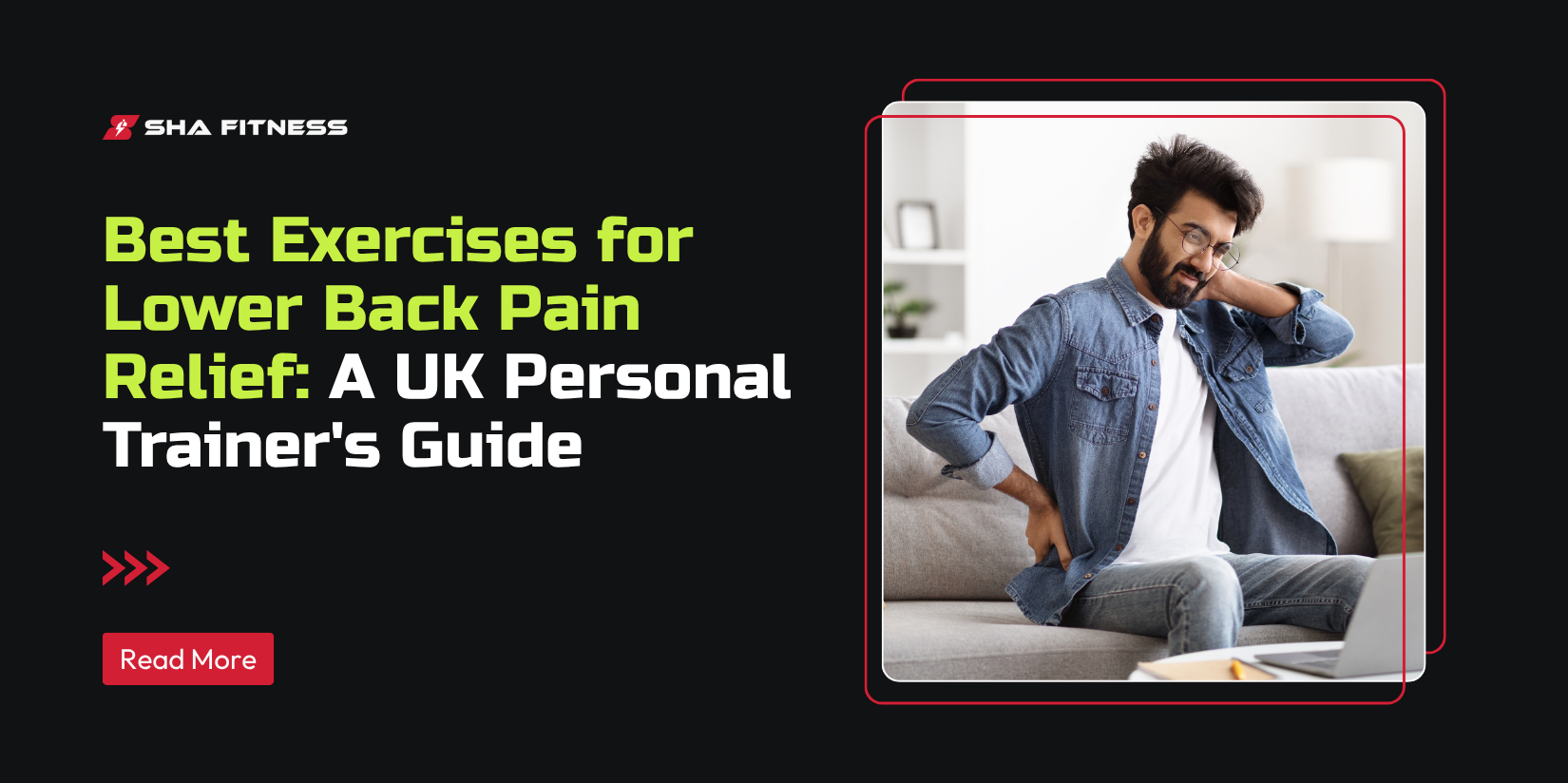
Has lower back pain started affecting simple everyday activities that you once did without thinking?
Lower back pain is one of the most common reasons people struggle with everyday movement. Getting out of bed, sitting at your desk, driving, exercising, or even walking can become uncomfortable when your back isn't functioning as it should.
Many people assume rest is the best solution, but in many cases, the right type of movement can be one of the most effective ways to reduce pain and improve recovery.
The challenge is knowing which exercises can help and which may place additional strain on your back. Choosing the right movements can improve mobility, strengthen the muscles that support your spine, reduce stiffness and help prevent recurring discomfort.
This guide explores effective exercises that can support lower back pain relief and help you move with comfort and support long-term back health.
What Causes Lower Back Pain?
Before starting the exercises, it is important to understand why lower back pain occurs. For most people, it is caused by a combination of factors such as:
• Weak core and glute muscles that are not supporting the spine properly
• Tight hip flexor muscles caused by prolonged sitting
• Poor posture during daily activities
• Lack of mobility in the thoracic spine and hips
• Muscle imbalances developed over time
The exercises below target all of these root causes, which is why they are far more effective than simply resting or depending on painkillers for the long term.
Why Exercise Can Help Lower Back Pain
Lower back pain issues are linked to weak core muscles, poor posture, prolonged sitting, muscle imbalances and reduced mobility. Exercise helps to address these issues by improving strength, flexibility and movement patterns.
Benefits of targeted lower back exercises include:
• Improved spinal stability
• Better posture and body mechanics
• Increased mobility and flexibility
• Reduced muscle tension
• Enhanced core strength
• Lower risk of recurring pain episodes
It's important to choose exercises that support recovery rather than aggravate symptoms. When performed correctly and consistently, they can help manage lower back pain and improve overall movement quality.
Related: Exercise for Back Pain Relief
The 5 Best Exercises for Lower Back Pain Relief
If you are searching for exercises that genuinely help lower back pain, these five evidence-recommended by fitness and rehabilitation professionals for individuals experiencing mild to moderate lower back discomfort. The exercises below are the foundation of that process.
1. Cat and Cow Stretch
What it does: Gently mobilises the entire spine, relieving stiffness and improving flexibility through the lumbar and thoracic regions.
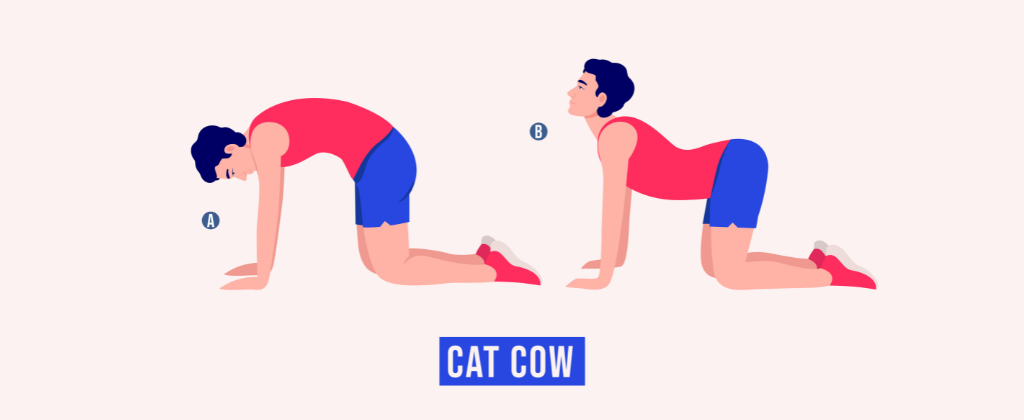
How to do it:
1. Start on all fours with your wrists under your shoulders and knees under your hips.
2. Inhale and let your belly drop towards the floor, lifting your head and tailbone (Cow pose).
3. Exhale and round your back towards the ceiling, tucking your chin to your chest and pelvis under (Cat pose).
4. Move slowly and with control, following your breath.
Reps: 10 slow, controlled repetitions. Repeat 2 to 3 times.
Trainer tip: The Cat and Cow is often one of the first movements introduced for clients with back pain. It is gentle, joint-friendly and excellent for warming up the spine before any other exercise or first thing in the morning.
2. Glute Bridge
What it does: Activates and strengthens the glutes and hamstrings, which are key muscles that support the lower back and pelvis. Weak glutes are one of the most common contributors to lower back pain.
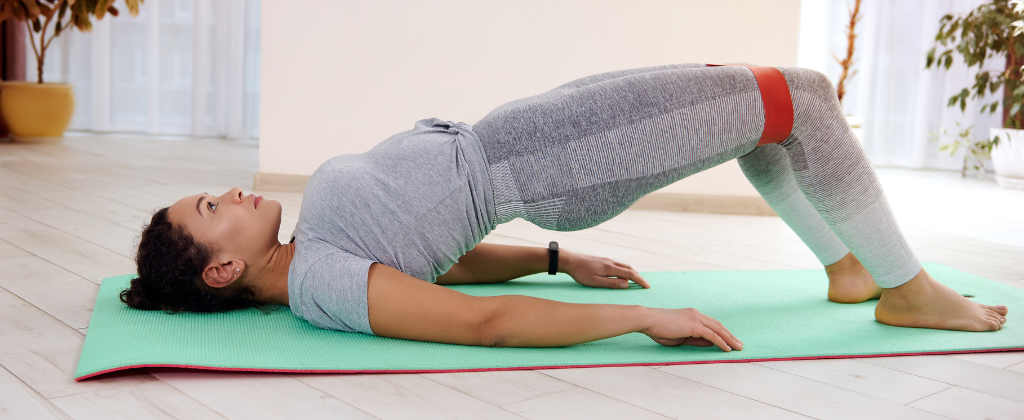
How to do it:
1. Lie on your back with knees bent and feet flat on the floor, hip-width apart.
2. Press your feet into the floor and squeeze your glutes as you lift your hips towards the ceiling.
3. Hold at the top for two seconds, keeping your core engaged.
4. Slowly lower back down.
Reps: 3 sets of 12 to 15 repetitions.
Trainer Tip: Most people do not realise their glutes are underactive until they begin working on them. Strengthening this area through the Glute Bridge can help take a significant load off the lower back.
3. Bird Dog
What it does: Builds deep core stability and improves coordination between the opposite arm and leg, training the stabilising muscles of the lower back without compressing the spine.
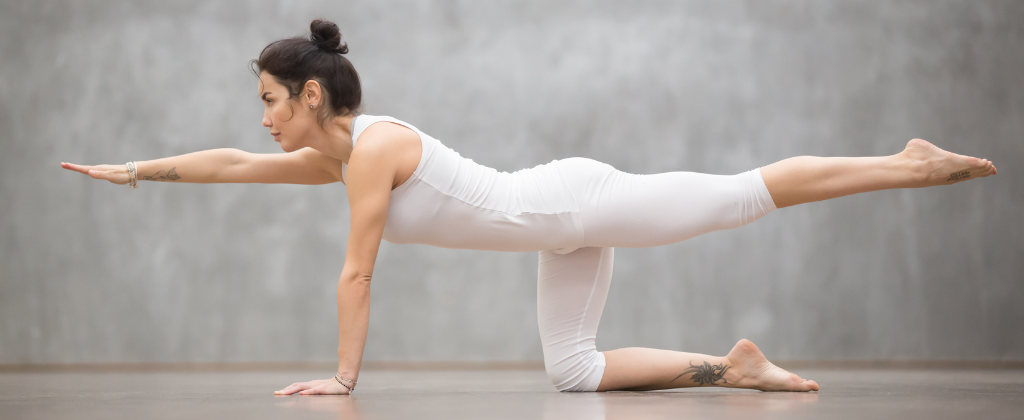
How to do it:
1. Start on all fours, hands under shoulders, knees under hips.
2. Keeping your back flat and core braced, slowly extend your right arm forward and your left leg back simultaneously.
3. Hold for three to five seconds, then return to the start position.
4. Repeat on the opposite side (left arm, right leg).
Reps: 3 sets of 10 repetitions on each side.
Trainer tip: The Bird Dog looks straightforward, but doing it well requires real control. It is one of the most effective exercises for building the kind of core stability that protects the spine during everyday movements.
4. Knee-to-Chest Stretch
What it does: Releases tension in the lower back muscles and the hip flexors, providing immediate relief from tightness and discomfort.
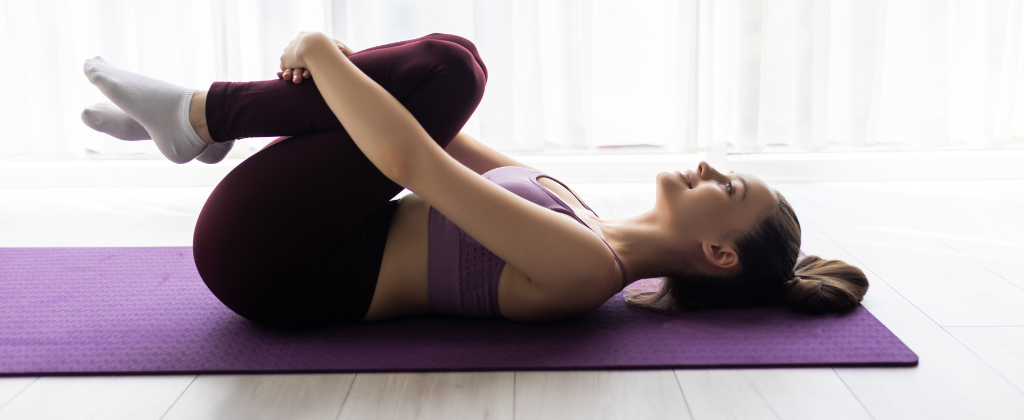
How to do it:
1. Lie on your back with both knees bent.
2. Bring one knee towards your chest, holding it with both hands just below the knee.
3. Hold for 20 to 30 seconds, feeling a gentle stretch in the lower back and glute.
4. Slowly release and repeat on the other side.
Reps: 2 to 3 holds per side.
Trainer tip: This stretch is great first thing in the morning or after sitting for extended periods. It decompresses the lower spine and is safe for almost anyone.
5. Dead Bug
What it does: Challenges deep core stability and teaches your body to maintain a neutral spine position while moving your limbs, a crucial skill for protecting the lower back in real life.
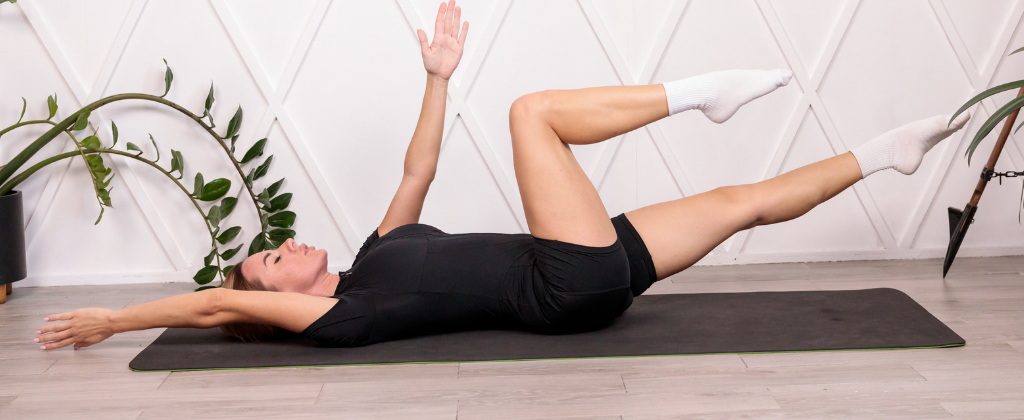
How to do it:
1. Lie on your back with your arms pointing straight up towards the ceiling and your knees bent at 90 degrees (tabletop position).
2. Slowly lower your right arm overhead and extend your left leg out, keeping your lower back pressed into the floor.
3. Return to the start and repeat on the opposite side.
Reps: 3 sets of 8 to 10 repetitions on each side.
Trainer tip: The Dead Bug is excellent for teaching people how to breathe and brace correctly. A lot of lower back pain comes from losing core control during movement and this exercise addresses that directly.
How Often Should You Do These Exercises?
For best results, aim to complete this routine three to four times per week. Most of these exercises take around 15 to 20 minutes to complete as a circuit. Consistency is far more important than intensity when it comes to rehabilitation and pain relief.
If your pain is severe, worsens during exercise, or is accompanied by symptoms like numbness or tingling down the leg, please consult a GP or physiotherapist before starting any new exercise programme.
When Should You Seek Professional Guidance?
Exercise can be highly effective for many forms of lower back discomfort, but persistent or severe pain should always be assessed by a qualified healthcare professional.
You should seek professional advice if:
• Pain persists for several weeks
• Symptoms are worsening
• Pain radiates down the legs
• You experience numbness or weakness
• Daily activities become increasingly difficult
Working with a qualified personal trainer experienced in rehabilitation can also help ensure exercises are appropriate for your condition and performed correctly.
Why Choose Sha Fitness for Back Pain Support?
Home exercises are a great starting point, but working with a qualified professional can help you progress safely, correct form and build a programme tailored to your specific needs.
Sha Fitness is a private personal training studio in Chigwell, led by CIMSPA-registered trainer Sharath. He was certified in a Level 3 Personal Training qualification, a Level 4 Strength and Conditioning certification and specialist qualifications in chronic pain management and rehabilitation.
Clients at Sha Fitness in Chigwell receive:
• A full movement assessment before any training begins
• A personalised programme built around their pain, history and goals
• Progressive training that builds strength safely over time
• Rehabilitation and Chronic pain management support
• One-to-one support with regular check-ins and programme adjustments
Whether you prefer training at our personal training studio in Chigwell or through online coaching, our programmes focus on improving strength, mobility, posture and long-term physical wellbeing.
Don't Let Lower Back Pain Hold You Back!
With the right exercises, the right guidance and a bit of consistency, most people see a meaningful improvement in how their back feels and functions.
Start with these five movements, focus on quality over quantity and if you want expert personal training support for lower back pain and full-body fitness, Sha Fitness is here to help.