


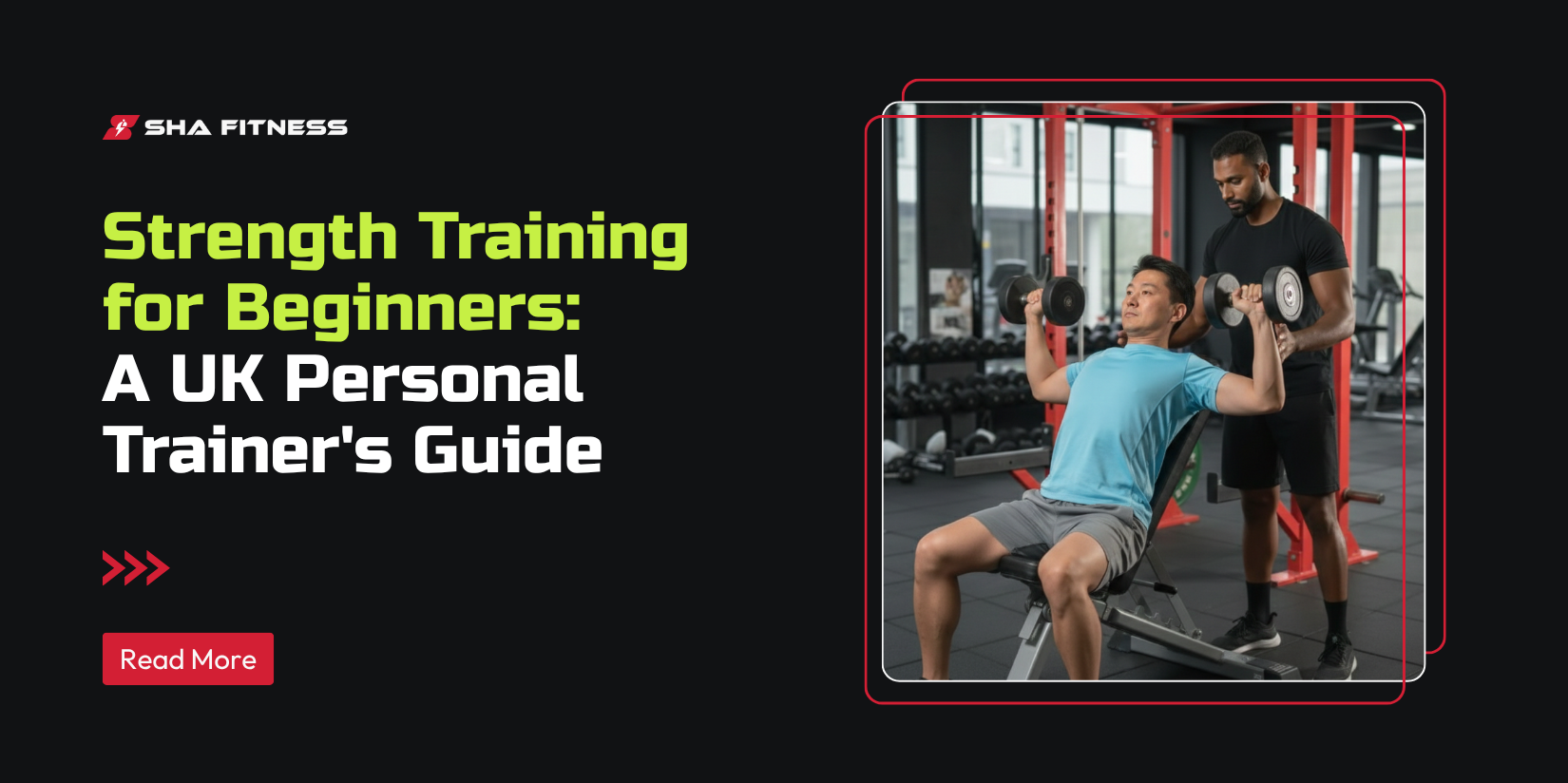
Most people who walk into a gym for the first time head straight for the treadmill. Strength training is often left until they feel fitter or more confident. The problem is that strength training for beginners is actually the safest and fastest way to build that confidence in the first place.
Picking up a dumbbell for the first time can feel more difficult than running a 10k. Which exercises are effective? How much weight should you lift? Could you get injured before you even begin? These questions stop thousands of people from ever walking into a gym, even though strength training is one of the most effective ways to support long-term health.
This guide explains everything beginners need to know about strength training, from its benefits to the best way to get started safely. You'll also learn how working with a qualified personal trainer can help you achieve better results while avoiding common mistakes.
What Is Strength Training?
Strength training, also known as resistance training, involves working your muscles against resistance, whether from a barbell, a resistance band, a kettlebell, or your own body weight. Unlike cardio, which mainly improves your heart and lungs, strength training develops and strengthens your muscles, tendons and bones throughout your body.
For beginners, this usually starts with basic movements such as squats, hinges (including deadlifts), pushes, pulls and core exercises. Learning these movements makes everyday tasks, such as carrying shopping, climbing stairs and taking part in sport, easier.
“Sport England's Active Lives data has repeatedly shown that strength-based activity remains one of the least practised forms of exercise across the UK population, particularly among adults over 35.”
Why Strength Training Is Important for Everyone
Strength training is not just for bodybuilders or athletes. The NHS recommends muscle-strengthening activities on at least two days a week for adults, alongside regular aerobic exercise. This is official public health guidance for everyone, not just gym enthusiasts.
Here's why that matters:
Bone density: Resistance training helps maintain bone mineral density, which becomes increasingly important as we age and the risk of osteoporosis rises.
Muscle mass and metabolism: Adults naturally lose around 3 to 8 percent of muscle mass per decade after the age of 30, a process called sarcopenia. Strength training is one of the few proven ways to slow this down.
Joint health and injury prevention: Stronger muscles around the knees, hips and shoulders reduce strain on joints and lower the risk of everyday injuries.
Mental health: Resistance training has been linked in multiple studies to reduced symptoms of anxiety and improved mood, alongside the cardiovascular benefits more commonly associated with running or cycling.
In short, strength training is essential for long-term health, mobility and independence.
The Real Benefits of Strength Training for Beginners
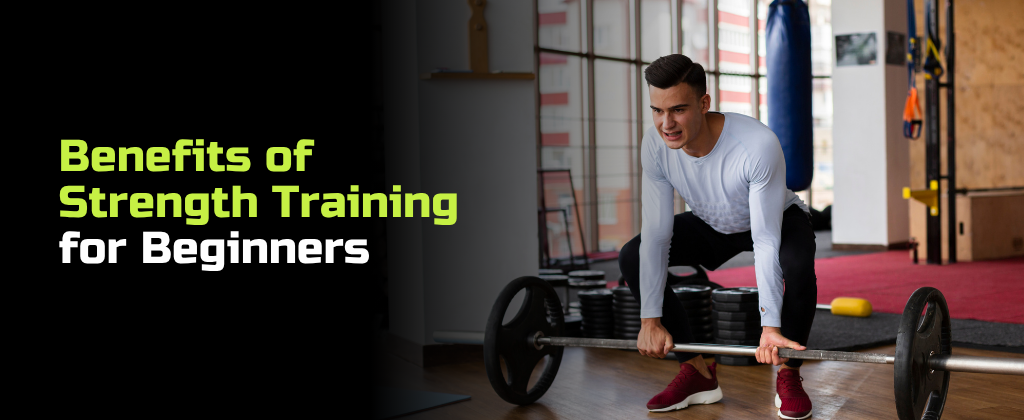
If you're new to resistance training, the benefits go well beyond aesthetics:
• Better posture from sitting at a desk all day
• Increased confidence and mental clarity
• Improved sleep quality
• Reduced risk of type 2 diabetes and cardiovascular disease
• More functional strength for daily tasks like carrying shopping or climbing stairs
• A stronger, more resilient body as you get older
None of this happens overnight, but consistency pays off quickly. Most beginners notice strength improvements within two to four weeks, even before visible muscle changes appear.
A Beginner's Guide to Strength Training
If you're new to strength training, your goal in the first few months is to build good movement, consistency and confidence, not lift the heaviest weight in the gym.
1. Learn the Basic Movement Patterns First
You do not need a barbell loaded with plates on day one. Bodyweight exercises like squats, lunges, push-ups and planks teach proper movement patterns before adding resistance. Mastering these basics reduces injury risk as you progress to weights.
2. Focus on Form Before Weight
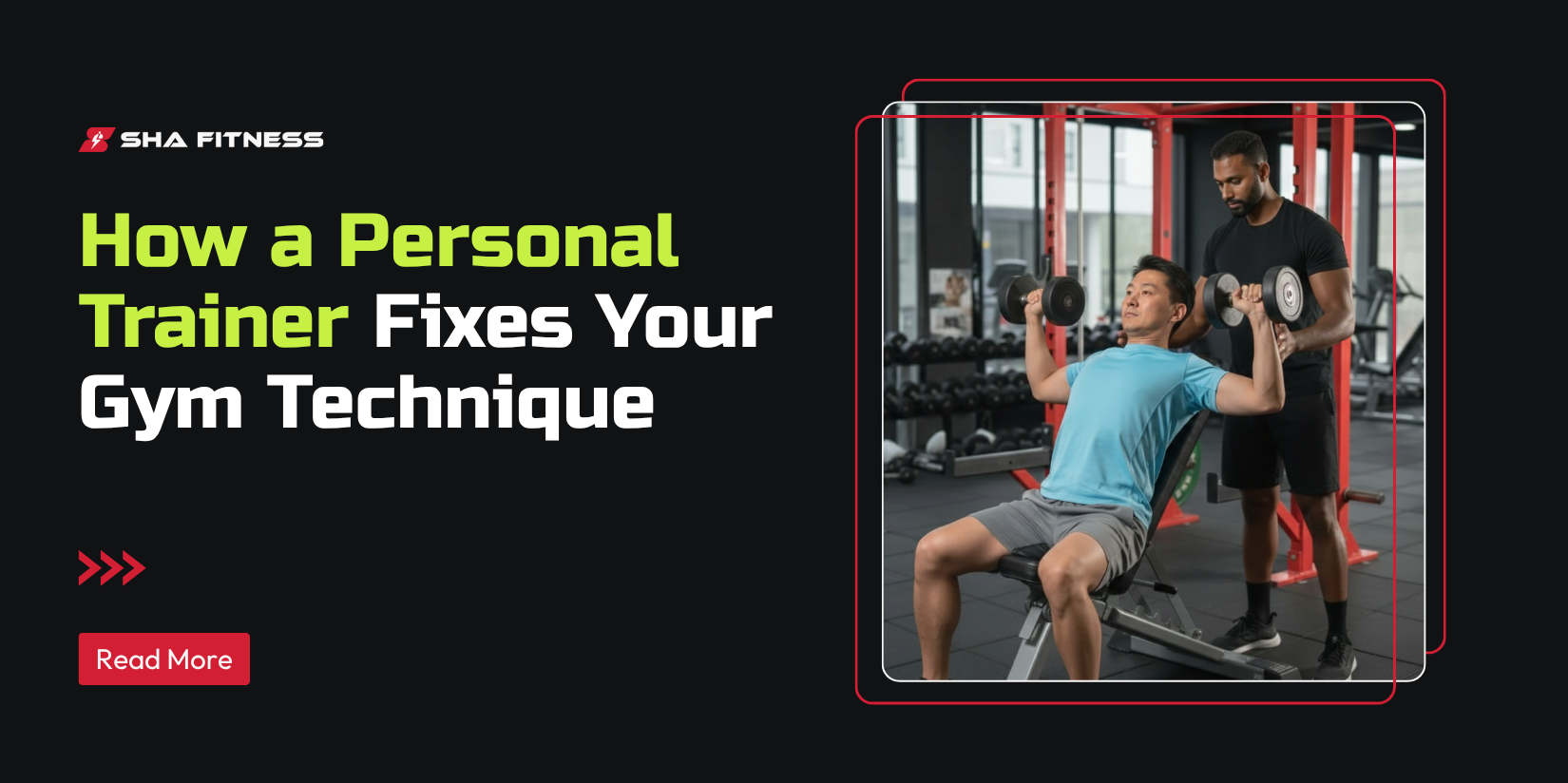
This is where most beginners make mistakes. Lifting heavier before your technique is correct places unnecessary strain on joints and connective tissue. A slower, controlled lift with proper form builds strength more effectively than rushing through reps with poor technique.
3. Start With Manageable Weight and Build Gradually
A common beginner mistake is loading up too fast. Progressive overload, gradually increasing weight, reps, or sets over time, is how strength is built safely. Rushing this step is one of the most common causes of avoidable injury.
4. Don't Skip the Warm-Up
A proper warm-up prepares your joints and nervous system for workout and significantly reduces injury risk, particularly for beginners learning correct form.
Related: Warm-up Before Every Workout
5. Prioritise Recovery
Muscles don't get stronger during the workout itself. They adapt during rest. Beginners should train each muscle group two to three times a week with rest days, along with good sleep and enough protein intake to support recovery.
6. Track Your Progress
Keep a simple record of your weights, sets and reps. Tracking your progress, even with small weekly improvements, keeps you motivated and shows exactly when it's time to increase your training.
Why Beginners Should Train With a Personal Trainer
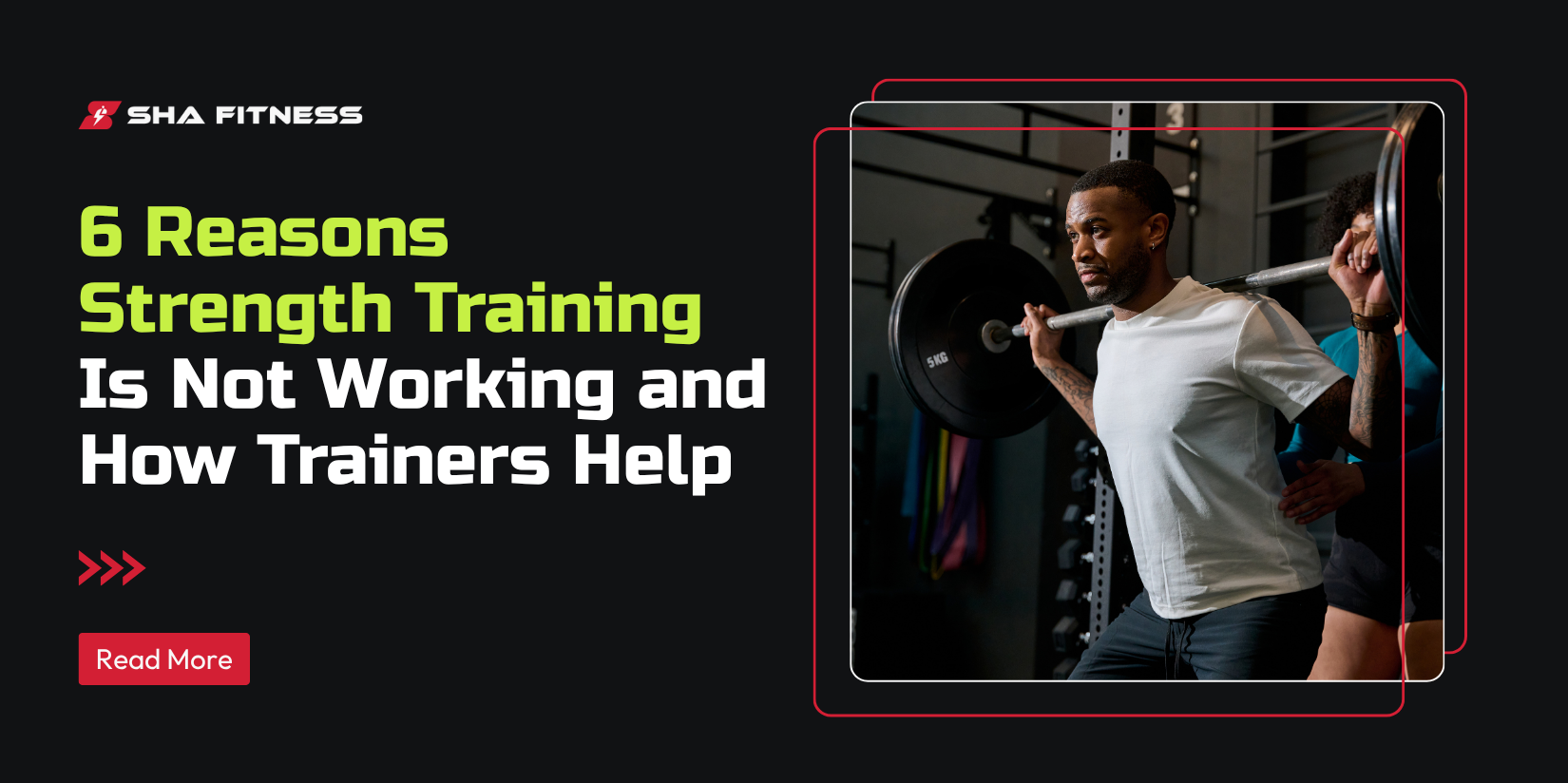
Learning strength training from YouTube videos or generic apps has its limits. A qualified personal trainer brings something those resources can't:
• Real-time form correction to help you maintain proper technique
• A programme built around your specific goals, injuries and fitness level
• Accountability that keeps you consistent, especially in those first few months
• Faster progress through efficient training, without guesswork
Working with a personal trainer as a beginner is often the difference between building a lasting habit and giving up after a few frustrating weeks.
For beginners in particular, working with a personal trainer reduces the trial and error that often causes people to stop strength training before seeing results.
Start Your Strength Training with the Right Trainer
Starting with the right guidance makes all the difference. Learning proper technique, following a structured programme and progressing at the right pace helps you achieve better results while reducing the risk of injury.
Whether you're completely new to exercise or returning after a break, Sha Fitness provides professional strength training in Chigwell with a structured, safe and effective introduction to lifting.
Sha Fitness is a dedicated personal training studio in Chigwell led by Sharath, a Level 3 certified personal trainer and Level 4 Strength and Conditioning specialist. That combination of qualifications means your programme isn't based on generic templates. It's built using proper strength and conditioning principles, adapted to your body, your goals and your current level of experience.
For anyone seeking reliable, professionally guided strength training for beginners across the UK, Sha Fitness offers one-to-one coaching in a private studio and online, away from the intimidating atmosphere of a crowded commercial gym.
If you're ready to start strength training the right way, contact Sha Fitness in Chigwell to book a session with a certified trainer who will support you throughout your progress.