


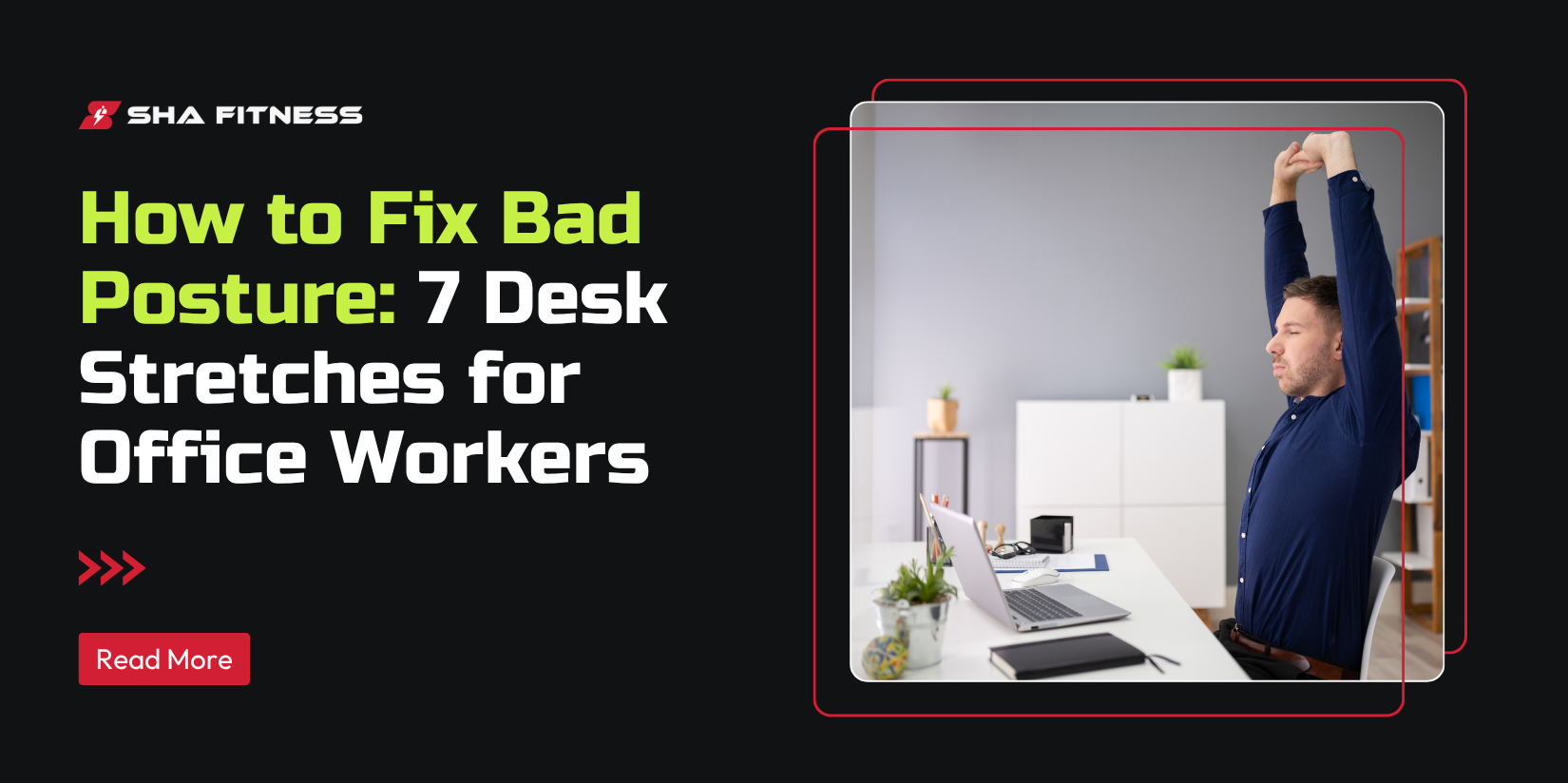
Most of us spend eight hours a day sitting at a keyboard and our bodies pay the price. Stiff necks, aching shoulders and a dull lower back have become common side effects of modern office life.
The solution does not require a gym membership or an hour of free time to fix it. A few simple desk stretches, performed at your workstation, can relieve tension, improve your posture and keep you energised throughout the working day. Whether you work from home or in an office, adding short movement breaks to your routine can make your day feel more comfortable and active.
This guide shares seven desk stretches, how desk work affects posture and simple tips to improve it without disrupting your routine.
Why Desk Work Causes Bad Posture
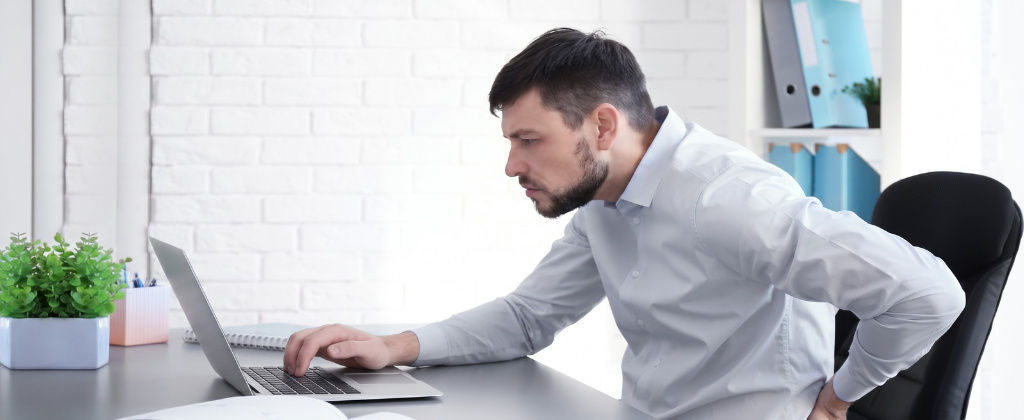
Desk-based work often involves sitting in the same position for several hours. When you concentrate on emails, meetings or a deadline, it is easy to gradually lean forwards, round your shoulders or push your head towards the screen.
The UK's Health and Safety Executive recognises prolonged screen-based work as a common cause of musculoskeletal strain, which is why regular movement is important for office-based teams.
Common habits that can affect posture include:
• Sitting with your shoulders rounded forwards
• Leaning towards your computer screen
• Keeping your head tilted down for long periods
• Sitting without adequate lower-back support
• Crossing your legs for extended periods
• Remaining seated without regular movement breaks
Your workstation setup is important to avoid bad posture. The NHS recommends making sure your chair, desk and computer are positioned appropriately and taking regular breaks from sitting.
Good posture is not about keeping your body rigid all day. It is about regularly changing position, moving comfortably and giving your muscles the strength and mobility they need.
The Benefits of Stretching at Your Desk
A few minutes of stretching between tasks does more than ease stiffness. It signals your body to move out of the position it has held for hours, which supports better posture over time.
• Loosens tight muscles in the neck, shoulders and lower back
• Improves blood flow, helping you feel more alert and focused
• Reduces the risk of long-term musculoskeletal strain
• Encourages better spinal alignment throughout the day
• Takes just a few minutes and needs no equipment
Over weeks and months, a few minutes of movement each day can noticeably improve your posture, reduce headaches and lower the risk of long-term back problems.
Bupa UK recommends short, regular pauses from sitting to protect against long-term aches and injury, which is exactly the kind of quick stretch break covered in this guide.
7 Desk Stretches to Fix Bad Posture at Work
These seven desk stretches target the muscles that tighten during a long day at your desk and each takes under a minute.
1. Neck and Shoulder Stretch to Release Tension
Neck and shoulder tension can occur when you spend hours concentrating on a screen. This gentle movement can help improve mobility in the area.
How to do it:
1. Sit or stand upright with your shoulders relaxed.
2. Slowly tilt your head towards your right shoulder without lifting the shoulder.
3. Hold the position for around 15 to 20 seconds.
4. Return to the centre and repeat on the opposite side.
5. Finish with a few slow shoulder rolls.
Keep the movement gentle. Never force your neck into a stretch or continue if you experience pain.
Related: Quick Desk Workouts for Busy Professionals
2. Seated Leg Extensions to Wake Up Your Core
Seated leg extensions are a simple way to move your legs while engaging your core during a desk break.
How to do it:
1. Sit towards the front of your chair with your feet flat.
2. Sit tall and gently engage your core.
3. Extend one leg until it is roughly parallel with the floor.
4. Pause briefly, then lower it with control.
5. Repeat with the opposite leg.
Aim for 8 to 12 repetitions on each side.
3. Chair Squats to Get Your Blood Flowing Again
Chair squats turn a normal office chair into a useful prompt to stand up and move. They work the major muscles in your legs while encouraging movement after prolonged sitting.
How to do it:
1. Stand in front of your chair with your feet about hip-width apart.
2. Push your hips backwards and bend your knees as though you are going to sit.
3. Keep your chest lifted and your knees aligned with your feet.
4. Lightly touch the chair before standing again.
5. Repeat for 8 to 12 controlled repetitions.
Make sure your chair is stable and positioned safely before exercising.
4. Calf Raises to Improve Circulation
Calf raises are particularly easy to add to a short office movement break. They activate the calf muscles and get you standing after time spent sitting.
How to do it:
1. Stand behind a sturdy chair or near your desk for support.
2. Keep your feet hip-width apart.
3. Slowly raise your heels so you are standing on your toes.
4. Pause briefly at the top and lower your heels slowly.
5. Try 10 to 15 repetitions without rushing the movement.
5. Seated Alternating Leg Crunches to Fire Up Your Abs
This seated exercise provides a simple way to engage your abdominal muscles without needing a large amount of space.
How to do it:
1. Sit upright towards the edge of a sturdy chair.
2. Keep your core engaged and your back tall.
3. Lift one knee towards your chest while bringing your opposite elbow towards it.
4. Return to the starting position.
5. Alternate sides in a controlled movement.
Start with 8 to 10 repetitions per side and focus on control rather than speed.
6. Standing Desk Stretch to Open Your Hips and Back
Long periods of sitting can leave the hips and lower back feeling tight. A standing stretch can provide a useful movement break.
How to do it:
1. Stand upright with your feet comfortably apart.
2. Place your hands on your hips.
3. Gently shift your hips forward while keeping your chest lifted.
4. Hold for 15 to 20 seconds.
5. Return to a neutral standing position and repeat gently.
You should feel a comfortable stretch, not pain, so do not force it.
7. Desk Push-Ups for an Upper-Body Workout
Desk push-ups provide a convenient way to activate your chest, shoulders and arms during a work break.
How to do it:
1. Stand facing a sturdy desk.
2. Place your hands slightly wider than shoulder-width apart.
3. Walk your feet backwards until your body forms a straight line.
4. Bend your elbows and lower your chest towards the desk.
5. Push through your hands to return to the starting position.
Begin with 8 to 12 repetitions and make sure the desk is stable before starting.
Simple Tips to Improve Posture While Sitting at a Desk
Your exercises will be more effective when combined with sensible desk habits. Small adjustments to how you sit make a lasting difference alongside your desk stretches.
1. Keep your screen at eye level so you do not bend your neck down
2. Sit with your feet flat on the floor and your knees at roughly a right angle
3. Choose a chair that supports the natural curve of your lower back
4. Set a reminder to stand, stretch or walk every 30 to 45 minutes
5. Keep your shoulders relaxed rather than raised towards your ears
6. Avoid crossing your legs for long periods, as this affects hip alignment
These habits complement your desk stretches, helping your body maintain a healthier position throughout the day, not just during stretch breaks.
Fix Your Posture Today with These Desk Stretches
Better posture does not require perfection or hours of exercise. It starts with becoming more aware of how long you sit, how you position yourself at your desk and how often you move.
These seven desk stretches and exercises provide a practical starting point. A few minutes between tasks, paired with better sitting habits, can ease tension, protect your back and neck and help you feel more comfortable through a long working day.
If discomfort continues or affects your normal activities, speak with an appropriate healthcare professional before starting or progressing an exercise routine.
For people who want more structured support, working with a personal trainer can create a personalised exercise programme based on individual fitness level, goals and work schedule.
If you need personal training based on your busy schedule, Sha Fitness is here to help. SHA Fitness is a personal training studio in Chigwell, UK, offering personalised training, including posture correction and flexible options for people with busy lifestyles.
Book a fitness consultation today and train towards stronger, pain-free posture.