


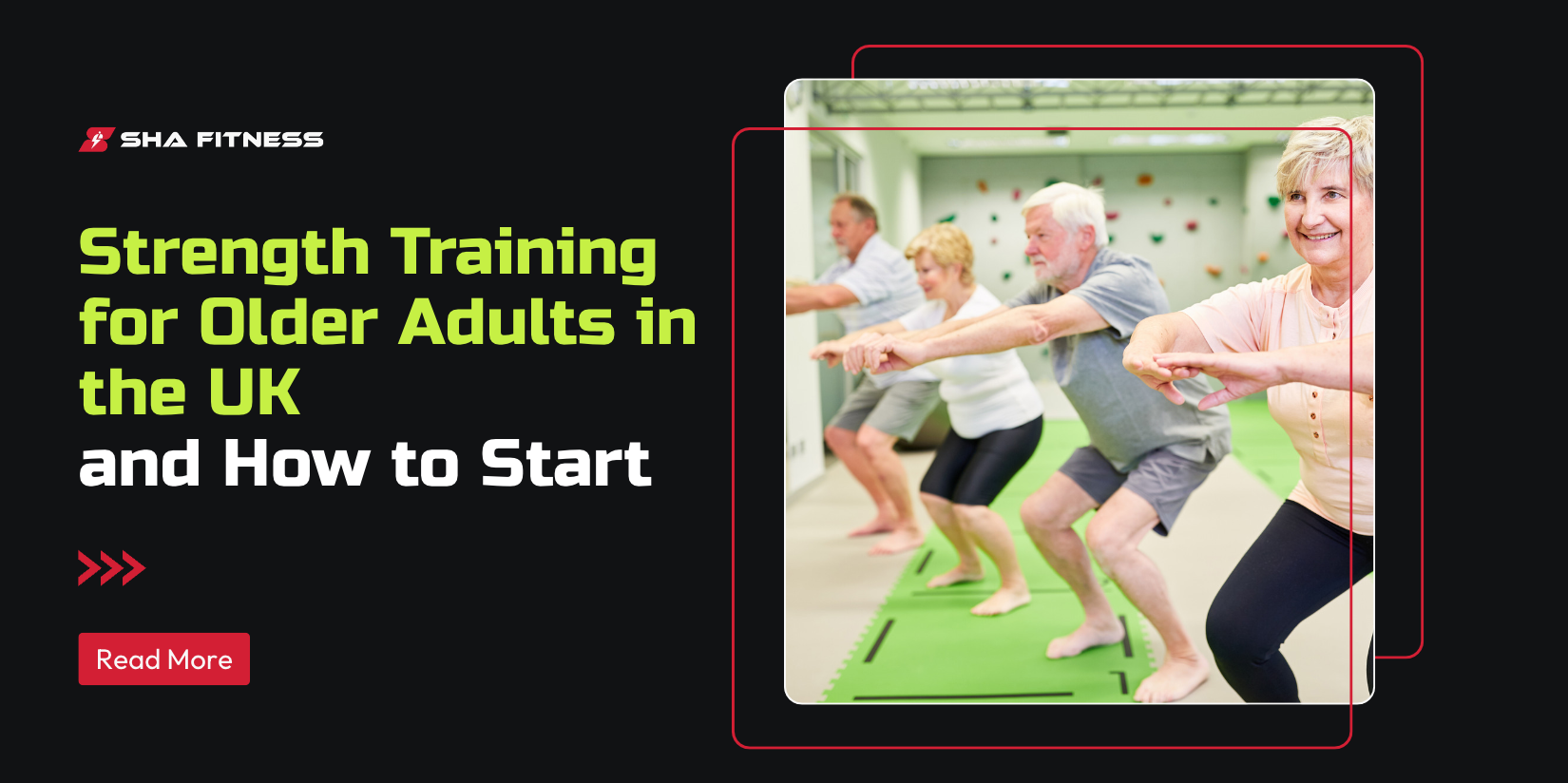
Ageing does not mean accepting weaker muscles, reduced mobility or losing confidence in everyday activities. Whether you want to walk comfortably, climb stairs without difficulty, carry your shopping or simply feel stronger, the right exercise routine can make a meaningful difference.
Strength training for older adults is one of the most effective ways to maintain independence, improve balance, support bone health and stay confident as they age. Many people over 50 avoid weights because they believe exercise is unsafe, too difficult or “only for younger people.” The reality is, properly planned resistance exercises can help maintain strength for everyday activities, such as carrying shopping, climbing stairs and getting up from a chair.
This guide explains the benefits of strength training, how to get started safely and how one-to-one support can make the process easier.
Why Strength Training Is Important for Older Adults in the UK
As we age, muscle mass, strength and physical ability can gradually decline. This process is known as sarcopenia, which can make everyday activities more difficult and reduce confidence in movement.
Regular strength training for older adults can slow age-related muscle loss and help restore some of the strength they have lost. The NHS physical activity guidelines recommend strength training on at least two days a week for adults over 65.
For older adults across the UK, regular strength training can support independence, improve everyday movement and encourage a more active lifestyle.
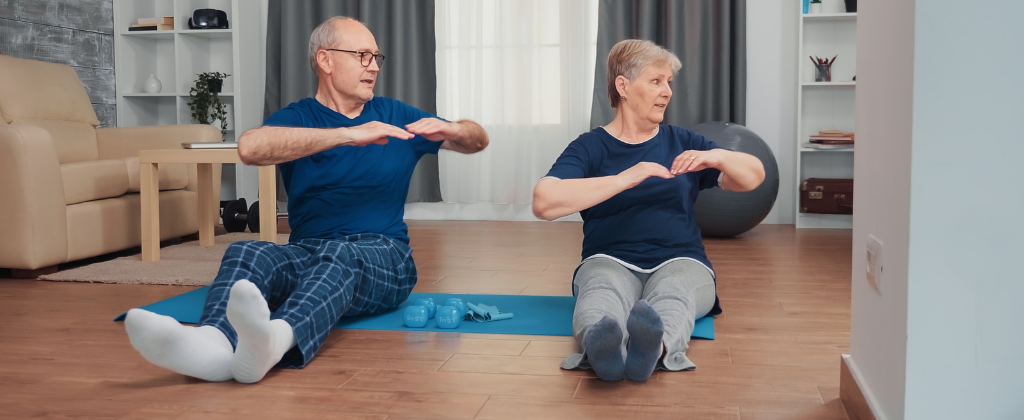
Key Benefits of Strength Training for Healthy Ageing
The benefits of strength training for older adults extend beyond building muscle. A consistent exercise routine can support several aspects of physical health.
Key benefits include:
• Maintains muscle strength: Helps reduce age-related muscle loss and supports everyday movements.
• Supports bone health: Resistance exercises help maintain bone strength and contribute to healthier ageing.
• Improves balance and stability: Stronger muscles can support better movement control and stability.
• Supports joint function: Appropriate strengthening exercises can improve the muscles surrounding joints.
• Encourages independence: Makes everyday activities such as walking, lifting and climbing stairs easier.
• Improves confidence: Developing physical strength can encourage greater confidence in daily activities.
The UK Chief Medical Officers' guidelines also link regular activity with a lower risk of type 2 diabetes, heart disease and depression.
Common Myths About Lifting Weights After 50
Some people believe weight training is only suitable for younger adults, but it can also benefit people of all ages.
Here are some common misconceptions:
Myth 1: Weight training is dangerous after 50.
Reality: Appropriate resistance exercises can be safe when performed with correct technique and suitable progression.
Myth 2: Older adults should only walk.
Reality: Walking supports cardiovascular health, but strength exercises provide additional benefits for muscles and bones.
Myth 3: Lifting weights makes you bulky.
Reality: Progressive resistance training primarily helps develop and maintain functional strength.
Myth 4: It is too late to start exercising.
Reality: Adults can improve their strength and physical fitness at different stages of life.
Myth 5: I am too old to start.
Reality: It is never too late to begin. Strength can improve at almost any age when training is introduced gradually.
Is Strength Training Safe for Older Adults?
Yes. Strength training for older adults is safe for most people when it starts gently and uses proper technique. Beginners should start with manageable resistance, learn correct movement patterns and increase exercise intensity gradually.
If you have a long-term condition, recent surgery, uncontrolled blood pressure, significant joint pain, dizziness or a history of falls, speak to your GP or a qualified health professional before starting. A personal trainer experienced in working with older adults can also adapt exercises around your needs.
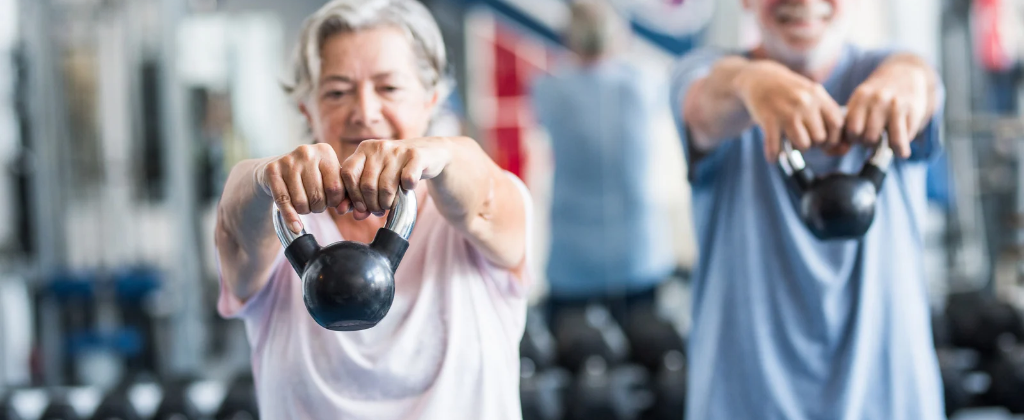
Strength Training Safety Tips for Older Adults
Safe training starts with understanding your body, choosing suitable exercises and avoiding unnecessary pressure on your muscles and joints.
1. Speak to a GP Before Starting If You Have Health Conditions
If you have heart conditions, arthritis, osteoporosis or other medical concerns, speak to your GP before beginning a new exercise programme. Follow any medical or physiotherapy recommendations.
2. Begin With Bodyweight Exercises and Light Resistance
Start with movements such as chair squats, wall push-ups and resistance band exercises. Increase resistance only when you can perform the movements comfortably and correctly.
3. Focus on Technique Before Increasing Weight
Correct posture, controlled movements and proper breathing should come before lifting heavier weights. Avoid sudden movements or holding your breath during repetitions.
4. Weekly Strength Training Frequency for Older Adults
Aim to include strength exercises on at least two days each week, allowing sufficient recovery between challenging sessions. Adjust the frequency according to your fitness and recovery needs.
5. Common training mistakes to avoid
Starting with heavy weights, skipping warm-ups, rushing repetitions, ignoring pain, using incorrect technique and training without sufficient recovery.
Low-Impact Strength Exercises for Beginners Over 50
These low-impact exercises suit most beginners and need very little equipment. Aim for 8 to 12 repetitions, two or two sets, with a rest in between.
1. Sit-to-stand from a sturdy chair
2. Wall press-ups
3. Glute bridges on a mat
4. Seated Resistance band rows
5. Standing calf raises with proper support
The NHS also provides a clear guide to strength and flexibility exercises you can try at home.
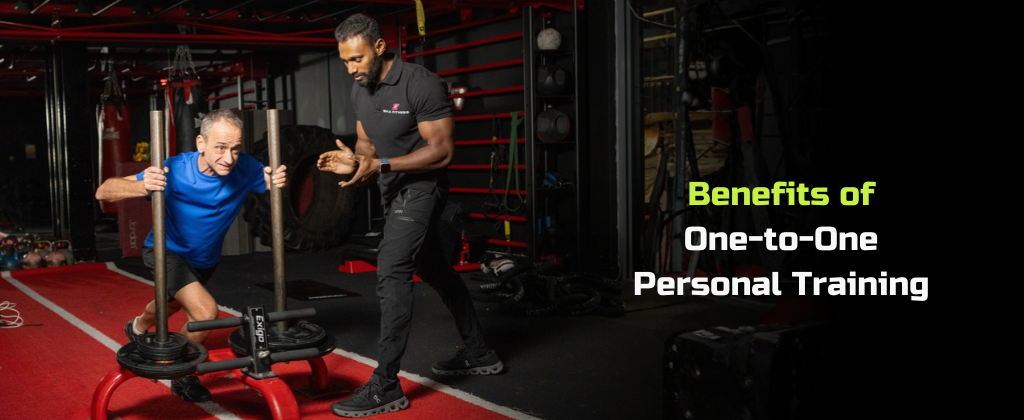
The Benefits of One-to-One Personal Training for Older Adults
One-to-one personal training offers individual guidance, accountability and expert support, with a fitness programme that considers your health, goals and current fitness level.
Key benefits include:
• Clear instruction on safe technique and exercise selection
• Gradual progression without pressure to do too much too soon
• Support with balance, mobility and functional strength
• Motivation, structure and accountability
• Adjustments for joint discomfort, previous injuries or medical advice
• Greater confidence in a private, supportive environment
Sha Fitness offers exactly this. Sharath is a CIMSPA-registered, fully insured Level 3 Certified Personal Trainer with Level 4 qualifications in Strength and Conditioning.
Clients train in a private personal training studio in Chigwell, or online across Essex, London and the rest of the UK. As an experienced personal trainer for seniors, he keeps every session clear, safe and encouraging.
How to Start Strength Training as an Older Adult
You do not need an elaborate gym setup to begin. Start by identifying what you want to improve, whether that is climbing stairs more comfortably, maintaining muscle strength or feeling steadier during everyday activities.
Follow these steps:
1. Set a realistic goal: Choose one or two specific improvements you would like to work towards.
2. Assess your starting point: Consider your current activity levels, mobility and any advice from your healthcare professional.
3. Choose simple exercises: Begin with movements you can perform with control and without unnecessary discomfort.
4. Create a consistent routine: Schedule manageable sessions and allow recovery between demanding workouts.
5. Review your progress: Increase repetitions or resistance gradually when your current exercises feel comfortable.
Strength training for older adults is most effective when it is manageable and consistent. For professional guidance and individual support from day one, visit the Sha Fitness Personal Training Studio to explore how one-to-one training can help you build strength and maintain an active lifestyle at your own pace.
Start Strength Training Safely for Healthy Ageing in the UK
Strength training can help older adults maintain muscle strength, mobility and independence as they age. The most effective starting point is a routine that matches your ability, uses controlled movements and progresses gradually. UK health guidance recommends strength, balance and flexibility activities on at least two days a week for adults aged 65 and over. Support from a qualified professional makes the process safer and more enjoyable.
If you live in Essex, London or anywhere in the UK, Sharath at Sha Fitness offers in-person sessions in Chigwell and online personal training that fit around your life.
Book your consultation with Sha Fitness today to discuss one-to-one strength training for older adults and begin safe, expert-led personal training.