

A fitness plan that works for one person may not deliver the same results for someone with a different body composition, lifestyle or health background. For South Asians living in the UK, understanding these differences can make a real difference to long-term health and fitness.
From managing weight and improving strength to supporting women's wellness, fitness should fit around real life rather than forcing people to follow unsuitable routines.
An experienced South Asian fitness trainer understands these differences and builds a plan around cultural food habits, everyday routines, individual health considerations and personal goals. This guide explains why a different approach is needed for South Asian in the UK, what an effective plan involves and how to achieve long-term results through regular training.
Why South Asians Have Different Fitness and Health Considerations
South Asians have different metabolic health considerations compared with some other ethnic groups.
Research indicates that South Asian populations may develop type 2 diabetes and cardiovascular disease at a lower body weight and a younger age. Diabetes UK and the British Heart Foundation both highlight this increased risk.
South Asian Body Composition and Its Impact on Fitness
South Asians often carry more body fat and less lean muscle than European adults at the same weight. Fat can also accumulate around the abdomen and internal organs. This is known as visceral fat, which can affect how the body processes insulin and manages cholesterol.
This can affect how fitness progress is measured. A balanced programme should consider:
• Muscle mass and overall body composition.
• Abdominal fat and waist circumference.
• Cardiovascular fitness and physical endurance.
• Strength, mobility and everyday energy levels.
Understanding the Link Between BMI, Body Fat and Metabolic Health
BMI is a useful screening measure, but it does not directly measure body fat or identify where fat is stored. NICE guidance recognises that South Asian adults may face health risks at lower BMI levels.
Useful measures include:
• Waist circumference
• Waist-to-height ratio
• Blood pressure and blood glucose
• Strength and fitness levels
NHS guidance states that South Asian adults may face health risks at a lower BMI: a BMI of 23 to 27.4 is classified as overweight, while 27.5 or above is classified as obese.
Why Standard Fitness Advice Often Fails South Asians
Most mainstream programmes assume a Western diet, a Western body type and a flexible daily schedule. Generic fitness advice does not always reflect the everyday experiences of South Asian families in the UK.
1. Food habits: Rice, roti, dosa, parathas and sweets are an important part of family life. Advice to cut carbohydrates can ignore these traditions and be difficult to follow.
2. Lifestyle: Long working hours, family duties and late dinners leave little room for rigid gym schedules.
3. Health considerations: Higher metabolic risk means muscle building and waist reduction matter more than the number on the scales.
4. Personal goals: Many clients want energy, confidence, better health markers or postnatal recovery, not just weight loss.
A South Asian fitness trainer who understands these realities can help you make realistic adjustments from the first session without making you feel disconnected from your food, family or culture.
What Is the Best Fitness Plan for South Asians in the UK?
The best South Asian fitness plan combines strength training, cardiovascular exercise, everyday movement and balanced nutrition. Here are seven key steps to follow:
1. Prioritise Strength Training Twice a Week
Strength training helps maintain muscle, improve physical function and support long-term health.
Aim to train all major muscle groups at least twice a week. Suitable exercises include squats, lunges, resistance-band movements, push-ups and controlled weight training.
Beginners can start with bodyweight exercises before gradually increasing resistance.
2. Build Cardiovascular Fitness Gradually
UK physical activity guidance recommends at least 150 minutes of moderate-intensity activity or 75 minutes of vigorous activity each week for adults.
Brisk walking, cycling, swimming and dancing are useful options. Start at a comfortable level and gradually increase duration and intensity.
3. Use Everyday Movement to Reduce Sitting Time
Exercise does not have to happen exclusively in a gym.
Simple changes can increase daily activity:
• Walk for 10 to 15 minutes after meals.
• Take the stairs instead of the lift.
• Choose active commuting where possible.
• Include short home workouts.
• Break up long periods of sitting with regular movement.
4. Adapt Workouts to Cultural Preferences
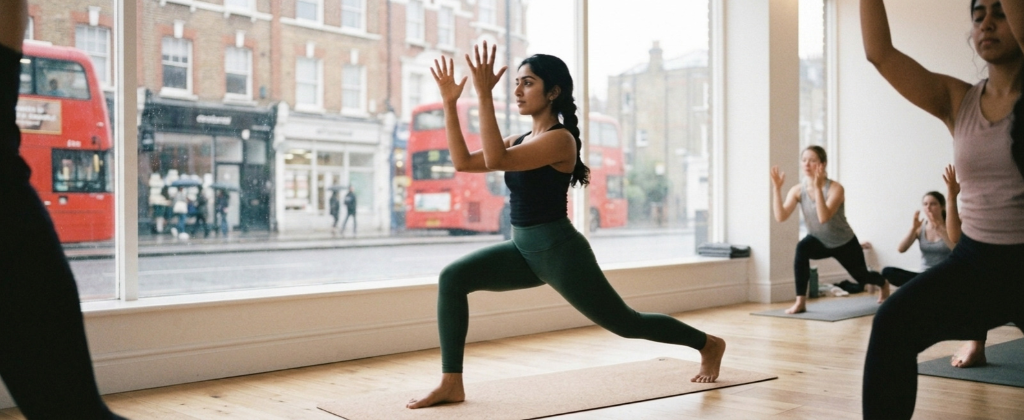
Enjoyment plays an important role in consistency. Choose activities that fit your interests, confidence and lifestyle. Options include brisk walking, cycling, badminton, cricket, swimming, group exercise and home-based strength training.
Family-friendly activities can also make staying active easier. Online group training can be another useful option for South Asian women who prefer exercising from home.
5. Balance Traditional Foods With Fitness Goals
Healthy eating does not require abandoning South Asian cuisine.
You can continue enjoying rice, chapati, dal, vegetable curries and traditional home-cooked meals while making balanced choices.
Consider these adjustments:
• Include vegetables and fibre-rich foods regularly.
• Choose suitable portions of rice, chapati and other carbohydrates.
• Include a protein source with main meals.
• Reduce frequent consumption of sugary drinks and highly processed snacks.
• Pay attention to cooking oils, portion sizes and added sugars.
6. Support Muscle Growth With Adequate Protein
Protein supports muscle repair and recovery, particularly when combined with resistance training.
Useful vegetarian and non-vegetarian sources include:
Vegetarian: Lentils, chickpeas, kidney beans, tofu, paneer and Greek yoghurt.
Non-vegetarian: Eggs, chicken, fish and lean meat.
Including protein across your meals can help support your training goals.
7. Remember That Sleep, Stress and Consistency Are Important
Poor sleep, ongoing stress and irregular routines can affect energy, recovery, appetite and motivation.
Aim for a consistent sleep schedule, allow recovery between demanding workouts and choose an exercise routine that fits your working and family commitments.
A manageable routine followed consistently is more valuable than an intense programme that becomes difficult to maintain.
How South Asians Can Build a Sustainable Fitness Routine
A sustainable routine should be easy to follow, even during busy weeks. Long-term results come from routines that fit around everyday responsibilities.
1. Start With a Sustainable Weekly Routine
A simple starting point could be:
• Two strength sessions each week
• 150 minutes of walking, cycling or another moderate activity
• A daily movement target, such as a 10-minute walk after lunch or dinner
• One rest or mobility-focused day
• Protein and vegetables included at most meals
This structure meets the UK recommendation for strength training twice weekly and at least 150 minutes of moderate activity, while remaining flexible enough to maintain
2. Track Health Markers, Not Just Weight
The scales can be useful, but they do not tell the full fitness report. Muscle gain, hydration, hormones, stress and food intake can all affect weekly weight changes.
Consider monitoring waist circumference, strength improvements, energy levels, activity consistency and cardiovascular fitness. Blood pressure and blood glucose checks may also be appropriate, depending on your individual health circumstances.
3. Seek Culturally Aware Professional Support
If you have a medical condition, are returning to exercise after a long break or have specific health concerns, speak to your GP before starting fitness training. A registered dietitian can also help with individual nutritional requirements.
A qualified fitness professional can assess your current ability, establish realistic goals and help you progress safely.
Choose the Right South Asian Fitness Trainer in the UK
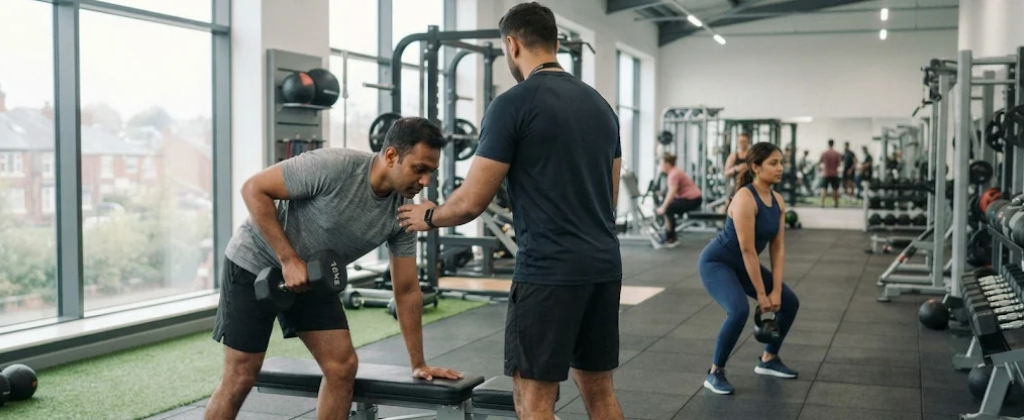
Finding a suitable trainer involves more than checking qualifications or choosing a convenient location. The right trainer should understand your body, your goals and your lifestyle.
An experienced South Asian Fitness Trainer can bring additional cultural awareness to coaching, particularly when discussing traditional food habits, family commitments and individual preferences. At Sha Fitness, Sharath is a South Asian fitness trainer, certified in Level 3 Personal Training, Level 4 Strength and Conditioning and Pre and Postnatal Fitness, with expertise in women’s wellness training.
Based at a personal training studio in Chigwell, Sha Fitness offers in-person sessions for clients in Chigwell, Hainault and Ilford, alongside online personal training across Loughton, Romford, Canary Wharf, Essex, East London and other parts of the UK. Online group training is also available for South Asian women who prefer exercising in a supportive home-based environment.
A Healthier Fitness Approach for South Asians Across the UK
South Asians in the UK can benefit from a fitness approach that recognises individual body composition, metabolic health considerations, cultural food habits and lifestyle requirements.
There is no single workout or diet that works for everyone. The most effective starting point is a balanced routine built around your current fitness level, personal goals and long-term health.
If you are a South Asian individual or woman in the UK, book a fitness consultation with Sha Fitness to discuss your goals with Sharath and explore a training routine that suits your lifestyle. You will receive a Healthier Fitness Approach based on your current fitness level, lifestyle and priorities, not a generic plan.