


Fitness apps promise results in six weeks. Social media coaches sell plans for £9.99 a month.
You have finally decided to take your fitness seriously. You download a workout plan and start full of motivation. An online fitness programme can look impressive on screen, but what happens after you sign up? Will the workouts suit your fitness level? Will someone track your progress? Can you ask questions if you are unsure about an exercise or need your programme changed?
These are important questions to consider before choosing an Online Personal Trainer. With countless coaches advertising across social media and search engines, knowing who to trust can be difficult. You want someone qualified, experienced and genuinely committed to your progress, not just another subscription.
Good online coaching should offer more than a generic workout plan. You need structured training, professional guidance, progress tracking and ongoing support that fits your goal and lifestyle.
Before you commit to an online personal trainer, ask these five questions to make sure the trainer and programme are right for your goals.
What Makes Online Personal Training Different from In-Person Coaching
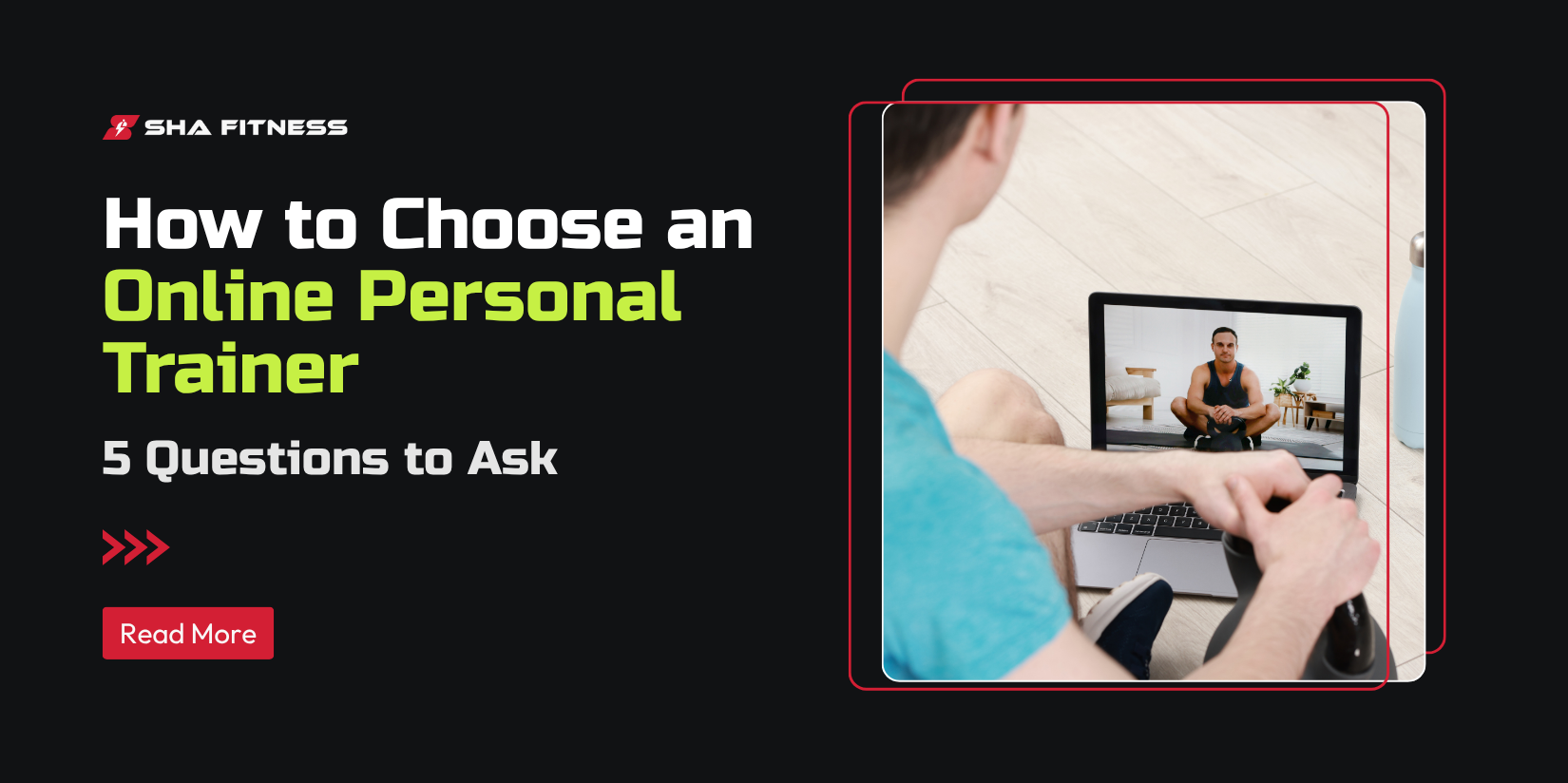
Online personal training gives you access to professional coaching and expert guidance without needing to travel to a gym or training studio for every session. Unlike traditional gym-based sessions, you receive live video sessions, personalised programmes, exercise demonstrations, progress reviews, messaging and regular check-ins.

A good online service can include:
• A personalised training programme based on your goals
• Exercise demonstrations and clear instructions
• Progress tracking and programme adjustments
• Regular check-ins with your trainer
• Guidance on training, nutrition and consistency
• Support between scheduled sessions
Online training requires more self-discipline, which is why choosing the right certified personal trainer becomes even more important. Without face-to-face supervision, your coach's ability to communicate clearly, track progress remotely and hold you accountable determines your success.
Related Article: Is Online Personal Training Worth It in the UK? 2026 Guide
The Cost of Picking the Wrong Trainer
Selecting an unqualified or unsuitable trainer costs more than money. You lose time, motivation and potentially risk injury from poorly designed programmes. Common consequences include plateaus, frustration or even injury.
A coach without proper qualifications might give advice beyond their expertise, such as unverified nutrition plans or rehabilitation guidance. Time wasted on ineffective coaching is the hidden expense most people overlook.
Investing time in choosing your online personal trainer carefully prevents these costly mistakes. A qualified coach with proven experience supports your progress while keeping you safe and motivated throughout your journey.
5 Essential Questions to Ask Before Hiring an Online Personal Trainer
A short conversation before you commit can tell you almost everything you need to know. Here are the five questions worth asking every online personal trainer before you start.
1. Are You a Certified and Insured Personal Trainer?
This question separates qualified professionals from enthusiasts posting workout videos on Instagram. In the UK, legitimate trainers hold Level 3 Personal Training qualifications recognised by CIMSPA or REPS.cmsvoc.co+2
What to look for:
• Level 3 Personal Training Diploma (minimum requirement)
• CIMSPA or REPS registration number they can provide
• Public liability insurance covering online coaching
• Additional specialisations relevant to your goals (strength, weight loss, post-rehab, etc.)
Any legitimate certified personal trainer will share their qualifications without hesitation. If they hesitate, deflect, or claim certifications from unrecognised organisations, consider it a red flag. You can verify CIMSPA registration through their public directory.
2. How Will You Structure and Track My Training Programme?
A certifies coach explains their programming method and how they track your progress. Look for structured training, clear progress measures and regular programme reviews. Many trainers use apps or shared spreadsheets to log workouts, loads and personal bests. Avoid anyone sending the same generic plan to every client.
Strong responses include:
• Initial assessment covering goals, injuries, equipment access and training history
• Periodised programmes progressing in difficulty over weeks and months
• Regular progress checks using measurements, photos, or performance metrics
• Adjustments based on your feedback and results
At Sha Fitness, clients receive structured programmes with weekly check-ins and form reviews via video. This level of detail is important because online personal training success depends on clear communication and measurable progress. Ask to see examples of how they track client progress before committing.
3. What Experience Do You Have With Clients Like Me?
Fat loss, muscle building, postnatal recovery, chronic pain and beginner training all require different approaches. Ask directly whether the trainer has worked with clients who share your goals, your fitness level or your medical history.
A trainer with genuine experience in your situation will usually have relevant case studies, testimonials, or before-and-after progress they can share confidently.
Some studios, including Sha Fitness in Chigwell, offer trainers with specific experience in areas such as strength and conditioning, pre and postnatal fitness, posture correction, rehabilitation or pain management, which can be more relevant than a generic “I train everyone” response.
4. How Do We Communicate and How Often Will You Check In?
Communication can make a significant difference to the online coaching experience.
Before signing up, find out how often you will speak with your trainer and which communication methods are available. This could include live video sessions, messaging, scheduled reviews or video feedback.
Regular communication keeps you accountable and allows programme adjustments. If you need daily motivation but your coach only responds weekly, you'll struggle.

5. What Does Ongoing Accountability and Support Look Like?
A training programme only works if you can follow it consistently. Accountability can help you maintain that consistency, particularly during busy periods.
Ask what happens after you receive your initial programme. Will the trainer review your progress? Will sessions be adjusted? Can you discuss barriers that are affecting your training?
Good coaches build in habit tracking, regular goal reviews and honest conversations when progress stalls, rather than disappearing after you sign up.
Red Flags to Watch For When Choosing an Online Trainer
Online personal training can be highly flexible, but not every trainer provides the same level of professional support.
The right questions can help you identify warning signs that a coach isn't right for you.
Signs an Online Personal Trainer Isn't the Right Fit
Watch for these red flags during your initial conversations:
1. Unwilling to share qualifications: Legitimate trainers proudly display their certifications
2. Guarantees specific results: No ethical coach promises exact weight loss or muscle gain timelines
3. Uses only before-and-after photos: Real progress includes performance improvements and how you feel
4. No initial assessment: Skipping assessments, goal-setting and medical history before programming
5. Pressure to sign up immediately: Professional coaches respect your decision-making process
6. Generic responses to specific questions: Indicates template-based rather than personalised coaching
You should also be comfortable asking questions before paying. A professional trainer should be willing to explain how their service works and what you can realistically expect from it.
Ready to Choose Your Online Personal Trainer? Start with These Questions
Choosing an online personal trainer is ultimately about finding the right combination of qualifications, personalisation, communication, experience and accountability. Do not judge a coaching service by its price or social media presence alone. Ask questions and make sure you understand what you will receive before committing.
Sha Fitness is a private personal training studio in Chigwell, offering both one-to-one sessions in our private studio and online personal training for clients across Canary Wharf, London, Essex and the UK.
If you need an online personal trainer who understands your goals and training needs, explore how Sha Fitness can support your progress. Book an online fitness session with Sha Fitness and discuss your training needs with a qualified coach before getting started.