


Movement can gradually become more restricted without people noticing it at first. Spending long hours sitting, repeating the same movements or following a training routine without enough variety can leave the hips, shoulders, ankles and spine feeling stiff.
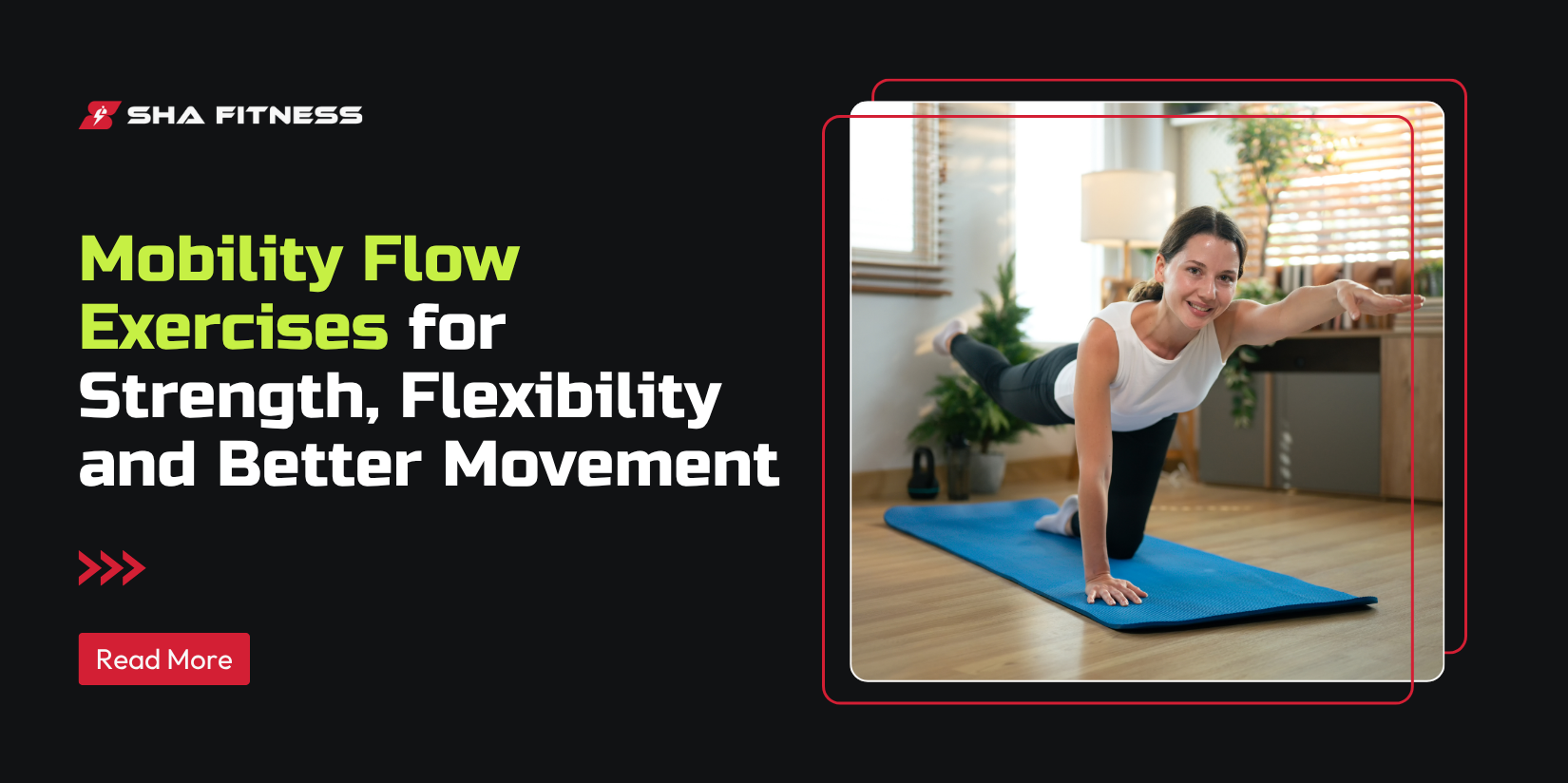
Mobility flow exercises combine several controlled movements to work through different ranges of motion, helping improve flexibility, joint mobility and overall movement quality. Instead of staying in one static stretch, a mobility flow keeps the body moving between positions in a controlled way.
It can also complement strength training because having better control through a useful range of motion can support exercises such as squats, lunges, presses and pulling movements.
For people balancing work, commuting, family commitments and regular exercise, mobility does not need to become another complicated workout. A few well-chosen movements performed consistently can become a simple way to keep the body moving well.
Understanding Mobility Flow Exercises and Joint Movement
Mobility and flexibility are closely related, but they describe different aspects of movement. Flexibility generally refers to how much a muscle or group of muscles can lengthen, while mobility is more about how well a joint can move through its available range with control.
A flow brings controlled movement into this process. Rather than simply trying to stretch as far as possible, the focus is on moving smoothly, maintaining control and gradually becoming more comfortable in different positions.
A basic full-body mobility flow might include:
- Hip circles and controlled hip rotations
- Thoracic spine rotations
- Cat-cow movements
- Ankle mobility drills
- Controlled lunges
- Shoulder circles
- Deep squat variations
- Gentle spinal movements
The goal is not to force the body into an extreme position. Good mobility work should be controlled and appropriate for the individual's current ability.
This makes mobility training useful for a wide range of people. Someone who is new to exercise can use simple movements to become more comfortable with basic positions, while someone who trains regularly can use mobility work to support the movements required in their programme.
Mobility Exercises for Flexibility and Better Movement
Flexibility is closely connected to how comfortably the body moves through everyday positions. Simple activities such as bending down, reaching overhead, getting up from the floor or moving into a squat all require different areas of the body to work through a suitable range of motion.
The NHS explains flexibility exercises can help maintain the movement needed for everyday tasks and physical activity. This makes flexibility and mobility relevant beyond structured gym sessions, particularly for people who want to remain active as part of their normal lifestyle.
Tight hips, stiff shoulders, limited ankle movement or reduced upper-back rotation can affect the way certain exercises and everyday activities feel. A regular mobility flow gives the body an opportunity to practise these movements without turning every session into a long stretching routine.
For example, controlled hip rotations can help you explore movement around the hips, while thoracic rotations encourage movement through the upper back. Ankle mobility exercises can also be useful for people who find certain lower-body positions uncomfortable.
The emphasis should be on quality rather than simply trying to reach a larger range. Moving slowly and staying in control allows you to understand how your body moves and where you may need more attention.
Strength and Mobility Training for Everyday Fitness
Mobility should not be treated as something completely separate from strength training. Both forms of training contribute to how well the body can move and perform different physical tasks.
Strength allows you to control your body and produce force, while mobility helps you access the positions needed for those movements. A squat, for example, requires movement from the ankles, knees and hips, as well as enough strength to control the body throughout the exercise.
This is why mobility work can fit naturally around a strength programme. Before lower-body training, someone may use controlled hip and ankle movements. Before an upper-body session, shoulder and thoracic movements may be more appropriate.
The objective is not to perform as many mobility exercises as possible. It is about selecting movements that support the activity you are about to perform and helping the body prepare for those positions.
For anyone working with a personal trainer , mobility exercises can also be incorporated into a wider training programme based on individual movement patterns, fitness levels and goals.
Hip Mobility Exercises for Better Lower-Body Movement
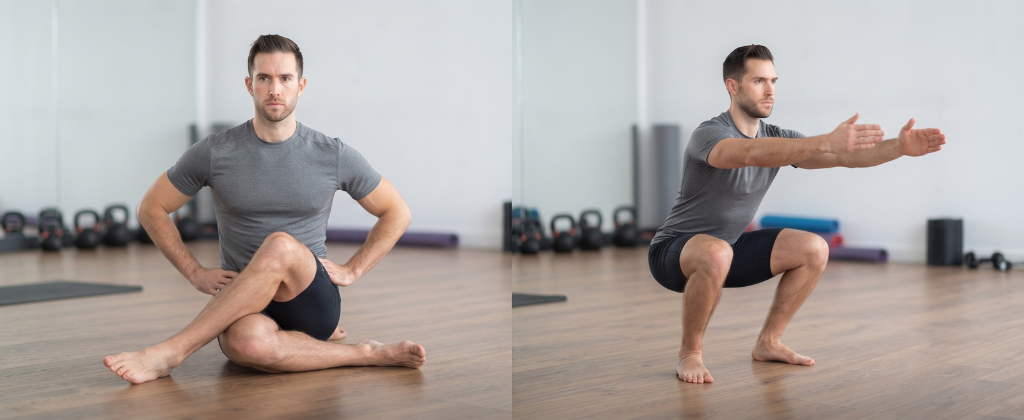
The hips are involved in many everyday and training movements, including walking, running, squatting, climbing stairs and lunging. Because of this, maintaining comfortable hip movement can be useful for both general fitness and exercise performance.
Simple exercises such as 90/90 hip rotations, controlled hip circles and supported squat movements can help introduce different ranges of movement around the hips. These exercises should be performed slowly enough to maintain control rather than rushing through each repetition.
A useful mobility exercise does not need to feel intense. The aim is to explore movement gradually and become more comfortable controlling different positions.
Hip mobility can also be included as part of a lower-body warm-up. A few controlled movements before training can help prepare the body for the positions it will need during the session.
People who regularly perform squats, lunges or other lower-body exercises may find it particularly useful to include hip and ankle mobility rather than relying on general stretching alone.
Shoulder Mobility Exercises for Upper-Body Movement
The shoulders and upper back can become particularly stiff when people spend much of the day sitting at a desk or working on a computer. Remaining in similar positions for long periods can make reaching, rotating or lifting movements feel less comfortable.
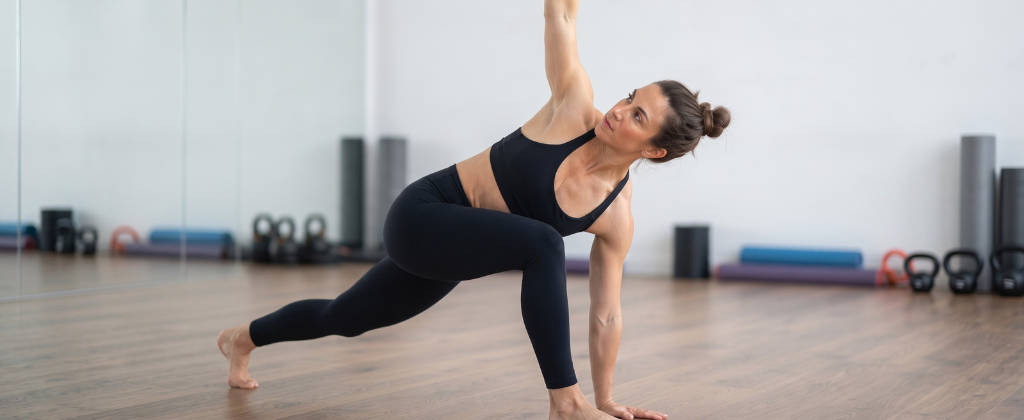
Shoulder circles, wall slides, thoracic rotations and controlled arm movements can be included in a mobility flow to encourage movement around the upper body.
The thoracic spine should also be considered when working on shoulder mobility. The upper back contributes to how the shoulders move, so combining thoracic rotation with controlled shoulder exercises can provide a more complete approach.
The key is to stay within a comfortable range and focus on smooth movement. Mobility training should not involve forcing the shoulders into positions that cause pain or significant discomfort.
Mobility Training Before and After Exercise
Mobility can be used differently depending on where it fits within your workout.
Before exercise, dynamic mobility movements can help prepare the body for the activity ahead. Controlled hip rotations, walking lunges, arm circles and thoracic rotations can be included alongside other warm-up activities.
After training, gentler mobility movements can help bring the session towards a more relaxed finish. This may include slower stretches and controlled movements based on the areas used during the workout.
The important point is that mobility does not need to take up a large amount of time. A short sequence that targets the areas relevant to the session can often be easier to maintain than a long routine that becomes difficult to fit into your schedule.
It is also worth remembering that mobility work is not a replacement for a proper warm-up, strength programme or recovery strategy. It works best as part of a balanced approach to fitness.
Mobility Exercises for Beginners and Busy Adults
Mobility training does not need to be complicated when you are starting out. Beginners can begin with simple movements that cover the major areas of the body and gradually become more comfortable with them.
A beginner-friendly flow could include:
- Cat-cow movements for spinal mobility
- Thoracic rotations for upper-back movement
- Hip rotations for lower-body mobility
- Ankle rocks for ankle movement
- Shoulder circles for upper-body mobility
- Supported squats for combined lower-body movement
The movements can be performed slowly, focusing on breathing and control rather than speed. As movement becomes more comfortable, exercises can gradually be progressed or combined into longer flows.
For people who find it difficult to attend regular gym sessions, an online personal trainer in Chigwell can also help incorporate mobility into a structured programme that fits around their schedule.
The main objective is consistency. Mobility does not have to be perfect from the beginning. Regular practice and gradual progression are more useful than attempting advanced movements before the body is ready.
Related Blog: Strength training for beginners: A UK personal trainer’s guide
Common Mobility Training Mistakes to Avoid
Mobility exercises are generally straightforward, but the way they are performed can make a significant difference.
Forcing the Range of Motion
Trying to push a stretch as far as possible does not automatically improve mobility. Forcing a joint beyond a comfortable range can create unnecessary discomfort and make the movement less useful.
Moving Too Quickly
Mobility is about control. Performing every movement quickly can make it harder to maintain good technique or understand where movement is restricted.
Only Working on One Area
If your hips feel tight, it can be tempting to focus entirely on hip stretches. However, movement usually involves several parts of the body working together. A balanced flow can therefore be more useful than repeatedly targeting one area.
Treating Mobility as a Replacement for Strength
Improved mobility does not remove the need for strength. The body also needs sufficient strength and control to use the available range of movement effectively.
Ignoring Persistent Pain
Mild stretching sensations can be normal, but persistent or worsening pain should not simply be pushed through. If movement is consistently painful or restricted, appropriate professional advice should be sought before continuing with exercises that aggravate the problem.
People who need more individual support around movement limitations or returning to exercise may benefit from working with a posture correction and rehabilitation who can help structure exercise around their individual needs.
Building Mobility Flow Into a Weekly Fitness Routine
The easiest way to maintain mobility work is to connect it with activities you already do. It does not need to become a completely separate part of your fitness schedule.
A balanced week could include strength training with lower-body mobility on Monday, cardio with some upper-body mobility on Wednesday, and strength training followed by a full-body mobility flow on Friday. The weekend can remain flexible for gentle movement or an optional mobility session depending on how your body feels.
The routine can also change according to your training. Someone preparing for a lower-body workout may spend more time working through the hips and ankles, while an upper-body session may benefit from greater attention to the shoulders and thoracic spine.
The aim is to use mobility to support your training rather than make it another demanding workout. When the movements are selected with a clear purpose, they become much easier to maintain as part of a normal weekly routine.
Making Mobility Part of Long-Term Fitness
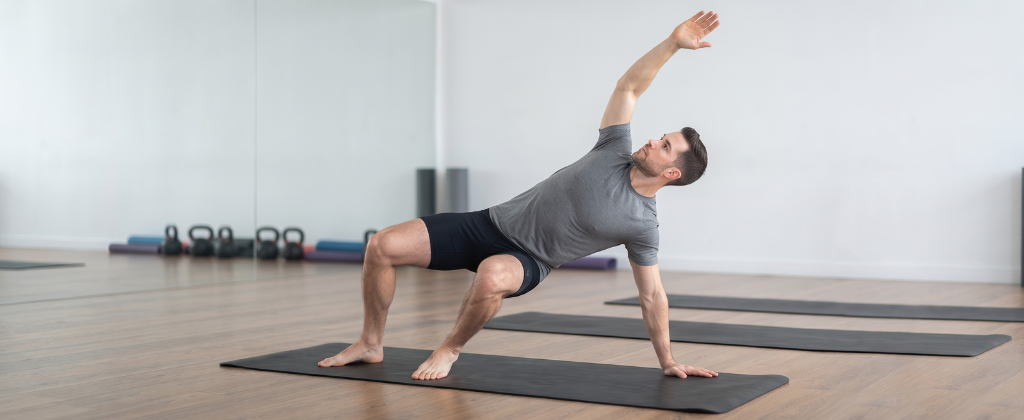
Mobility is not about achieving an impressive stretch or copying advanced movements from social media. It is about maintaining the ability to move through useful positions with control as your fitness develops.
That can become increasingly important as training goals change. Someone may begin with general fitness, move towards strength development and later focus on maintaining an active lifestyle. Mobility can remain relevant throughout each stage because comfortable movement continues to support exercise and everyday activity.
At SHA Fitness, mobility can be incorporated alongside strength training, conditioning and other personalized fitness approaches. The focus is on creating a programme that suits the individual rather than adding exercises simply for the sake of doing more.
A mobility flow can also develop over time. Movements that initially feel restricted may become easier with regular practice, allowing greater control and confidence. This gradual improvement is what makes mobility a useful long-term part of fitness rather than a quick solution for occasional stiffness.
Start Moving Better With the Right Support
Building better mobility is ultimately about choosing suitable movements, performing them with control and giving your body enough time to adapt. A consistent approach can help you become more comfortable with different movement patterns while supporting the strength and flexibility needed for everyday life.
There is no need to turn mobility into a complicated routine. A few well-selected exercises, combined with regular strength and cardiovascular activity, can provide a practical foundation for moving well and staying active.
If you want personalized guidance and support, working with a qualified Personal trainer can help you follow a structured programme based on your fitness level, movement needs and goals. A trainer can help you choose appropriate exercises, improve your technique and make mobility part of a wider training plan without making your routine unnecessarily complicated.