


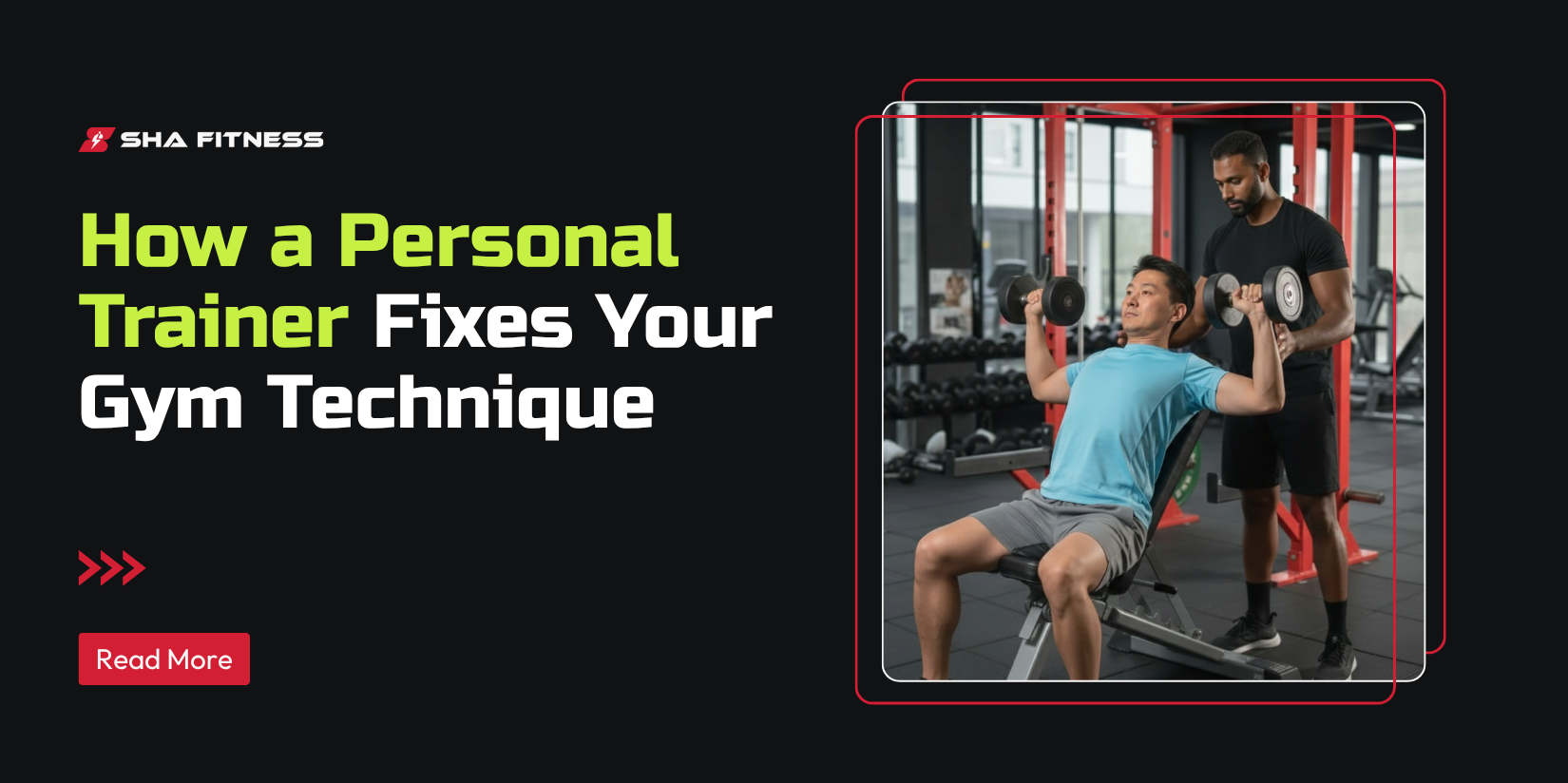
Getting an exercise right is not always as simple as following the same movement every time. Your position can change when you add more weight, increase your repetitions or start feeling tired during a set. Sometimes, you may not even notice that your form has changed. This is where a personal trainer can watch your movement, identify the problem and show you a simpler way to improve your technique.
Personal trainer gym technique support is useful when an exercise feels difficult, your form changes as the weight increases or you are unsure whether you are performing a movement correctly. Instead of guessing what needs to change, you get practical feedback on your posture, range of motion, tempo and overall movement.
This support can benefit both beginners and experienced gym users. A beginner can learn the correct movement pattern from the start, while an experienced lifter can identify habits that may have developed over time. Regular feedback can make exercises easier to understand and help you train with greater control and confidence.
Common Gym Technique Problems That Affect Exercise Form
Exercise technique can change for several reasons. You may be unfamiliar with a movement, using more weight than you can comfortably control or simply moving too quickly through each repetition.
Some common signs include:
- Rushing through the lifting or lowering phase
- Using momentum instead of controlled movement
- Losing posture as the set becomes harder
- Reducing your range of motion without noticing
- Allowing the knees, hips, shoulders or back to move out of position
- Choosing a weight that makes good technique difficult
These changes can be difficult to notice when you are training alone. An exercise can still feel challenging even when your form has changed, so completing the repetition does not always mean the technique is being maintained.
A personal trainer can look beyond whether you finish the exercise. They can assess how you move throughout the repetition and identify the details that may be affecting your form.
How a Personal Trainer Corrects Exercise Form
Technique correction is not simply about being told to keep your back straight or slow down. Good coaching involves watching the movement, identifying the main issue and giving feedback that is easy to apply.
Step 1: Assessing the Movement Pattern
The first step is watching how you naturally perform the exercise. A trainer can look at your starting position, movement path, control and how different parts of your body work together.
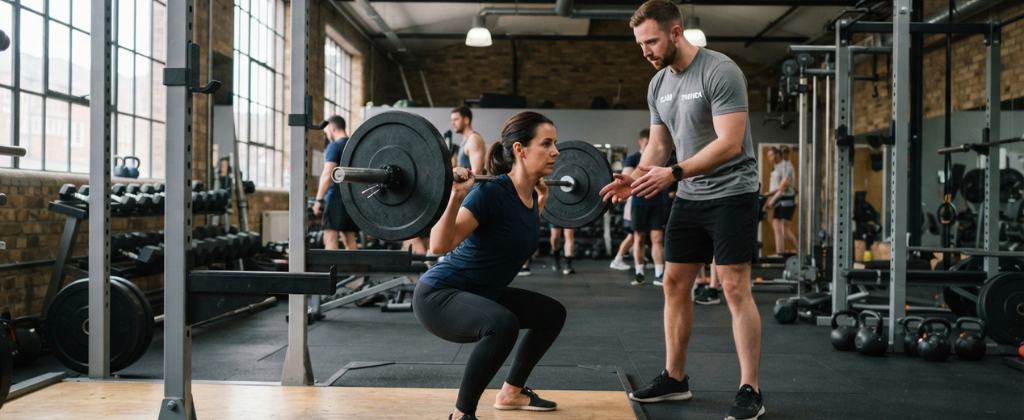
During a squat, for example, they may look at your foot position, knee movement, hip control and depth. During a pressing exercise, attention may shift towards shoulder position, wrist alignment and control throughout the movement.
This assessment helps separate the main technique issue from smaller details. Trying to correct everything at once can make an exercise confusing, so a trainer can focus first on the change that is likely to make the biggest difference.
Step 2: Applying Simple Technique Cues
Once the main issue has been identified, the next step is making the correction practical. A trainer can use short cues that you can understand and apply during the next repetition.
You may be asked to slow down, change your foot position, control the lowering phase or adjust your posture. The aim is to help you understand the movement rather than simply copy an instruction.
This makes technique correction more practical. You are not simply being told that your form needs changing. You are learning what needs to change and what the improved movement should feel like. For people who prefer more focused support during their sessions, working with a one-to-one personal trainer can provide individual feedback throughout each exercise, making it easier to work on specific technique issues.
At SHA Fitness, this type of individual approach can be built around the client's ability, training goals and movement needs rather than relying on exactly the same routine for everyone.
Proper Exercise Technique for Squats, Lunges and Strength Training
Strength exercises often involve several joints and muscle groups working together, which makes controlled technique important as resistance increases.
A squat requires coordinated movement through the ankles, knees and hips. A lunge requires balance and control, while pressing and rowing exercises require the upper body to remain stable throughout the movement.
The aim is not to make every exercise look identical. Your body structure, experience and mobility can influence how a movement looks. What matters is whether you can perform the exercise in a controlled and appropriate way for your current ability.
The physical activity guideline recommend muscle-strengthening activities that work the major muscle groups on at least two days each week.
Building strength therefore involves more than adding weight. Learning to control movements, choosing suitable resistance and progressing gradually are all part of developing better training habits.
Why Gym Form Changes as You Get Tired
Your technique at the beginning of a workout can look different from your technique during the final repetitions of a demanding set. As fatigue builds, you may shorten the movement, change your posture or start relying on momentum.
Fatigue itself is a normal part of training. The important point is recognizing when tiredness is affecting your ability to maintain suitable control.
A trainer can monitor these changes in real time. They may reduce the weight, adjust the repetitions or change the exercise so that you can continue training without allowing your technique to deteriorate unnecessarily.
This type of feedback can also help you understand your own limits. Instead of automatically pushing through every difficult repetition, you can learn when a set has reached the point where maintaining good movement is becoming difficult.
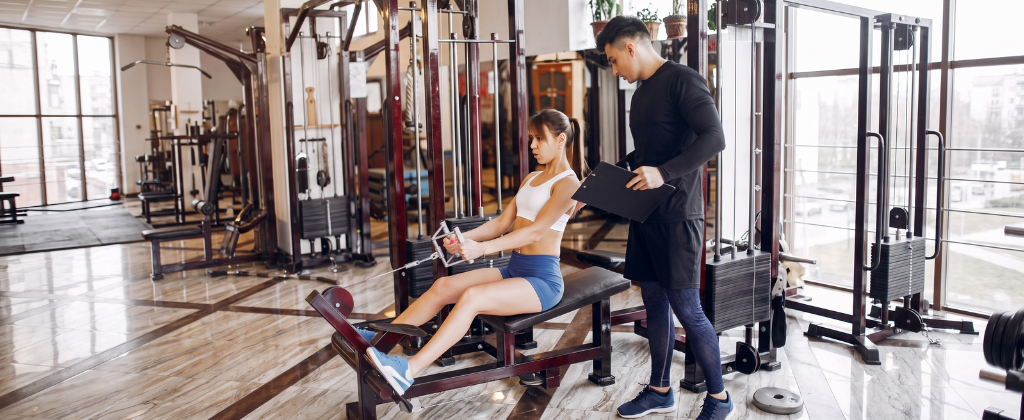
How Personal Trainer Feedback Improves Gym Confidence
Confidence in the gym is not only about lifting heavier weights. It can also come from understanding what you are doing and knowing how an exercise should feel.
Regular feedback can help you recognize when your posture changes, when a movement becomes rushed or when an exercise feels different from previous sessions.
Over time, this can make you less dependent on someone correcting every repetition. You begin to understand your own movement and can apply the same principles when performing unfamiliar exercises.
That knowledge can be particularly useful when adding new exercises or increasing the difficulty of your training.
Mobility and Exercise Technique Work Together
Good exercise technique is not only about strength. Your ability to move comfortably through the positions required by an exercise can also affect how well you perform it.
A squat, for example, requires movement through the ankles, knees and hips. If one part of that movement is restricted, you may naturally compensate somewhere else.
This does not mean everyone needs a long mobility routine. A trainer can identify whether movement is affecting an exercise and decide whether a mobility drill, technique adjustment or exercise variation would be useful.
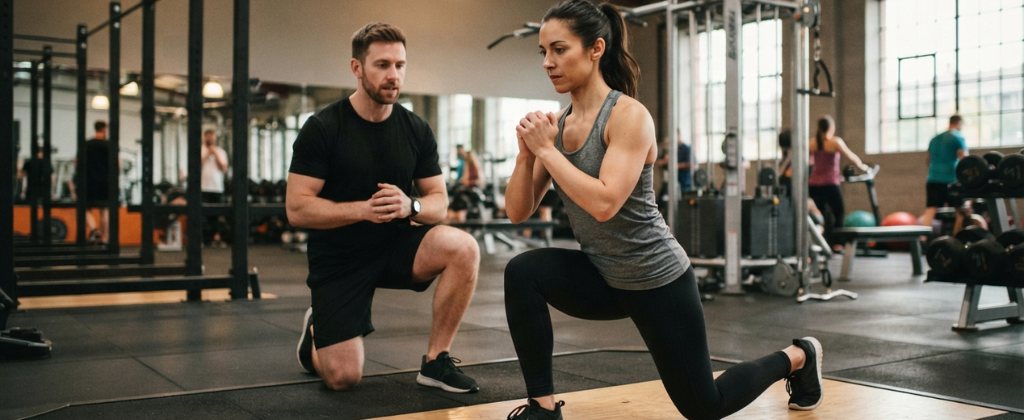
Gym Form Correction for Beginners and Experienced Lifters
Beginners often need help understanding basic movement patterns, equipment and exercise positioning. Immediate feedback can help them develop better habits from the beginning.
However, technique correction is not only useful for beginners. Experienced gym users can also develop habits that become difficult to notice because they have repeated the same exercises for months or years.
Changes can happen when the weight increases, a new exercise is introduced or training goals change. Even small adjustments can make an exercise feel very different.
A trainer can adapt their feedback to your experience. A beginner may need help learning the movement, while an experienced lifter may need support with control, progression or a specific technique issue.
Related Blog: Strength Training for Beginners: A UK Personal Trainer's Guide
This related article covers movement patterns, technique before adding weight and gradual progression, making it useful alongside this discussion of gym form.
Building Better Gym Technique Through Consistent Coaching
Technique usually improves through repeated practice rather than one correction during a single session. The aim is to make good movement feel more natural over time.
A useful approach is to:
Learn the movement: Understand the basic position and movement pattern before adding unnecessary resistance.
Practise with control: Focus on a suitable range and controlled repetitions.
Use feedback: Apply one or two clear corrections rather than changing everything at once.
Progress gradually: Increase weight or difficulty when you can maintain appropriate technique.
This creates a better connection between technique and progression. Heavier weights are not the only sign of improvement. Better control, smoother movement and greater confidence also show that your training is developing.
When You Need More Individual Support With Gym Technique
Some people can improve their technique through independent practice, while others benefit from having someone observe their movement regularly.
Individual support can be useful if you are new to resistance training, returning after a break, changing your training goals or repeatedly struggling with the same exercise. It can also help when you are unsure whether an exercise feels difficult because of normal training effort or because your technique needs adjusting.
At SHA Fitness, one-to-one coaching can be structured around individual training needs, allowing technique, exercise selection and progression to be reviewed as your ability develops. The goal is not to make every workout complicated. It is to give you enough understanding and feedback to perform your exercises with greater control and confidence.
Build Better Gym Technique With Consistent Support
Good technique develops through repetition, feedback and gradual progression. Paying attention to how an exercise feels, keeping your movements controlled and making small adjustments when your form changes can help you get more from your training. Over time, this awareness can make it easier to approach different exercises with greater confidence.
You do not have to change your entire workout to improve the way you move. Understanding a few key points in each exercise and practising them regularly can help you develop stronger movement habits while continuing towards your fitness goals.
If you want extra support with your training, working with a qualified Personal trainer can give you individual feedback based on your current ability and goals. A trainer can help you refine exercise technique, manage your progression and build a training routine that allows you to develop strength and confidence at a pace that suits you.