



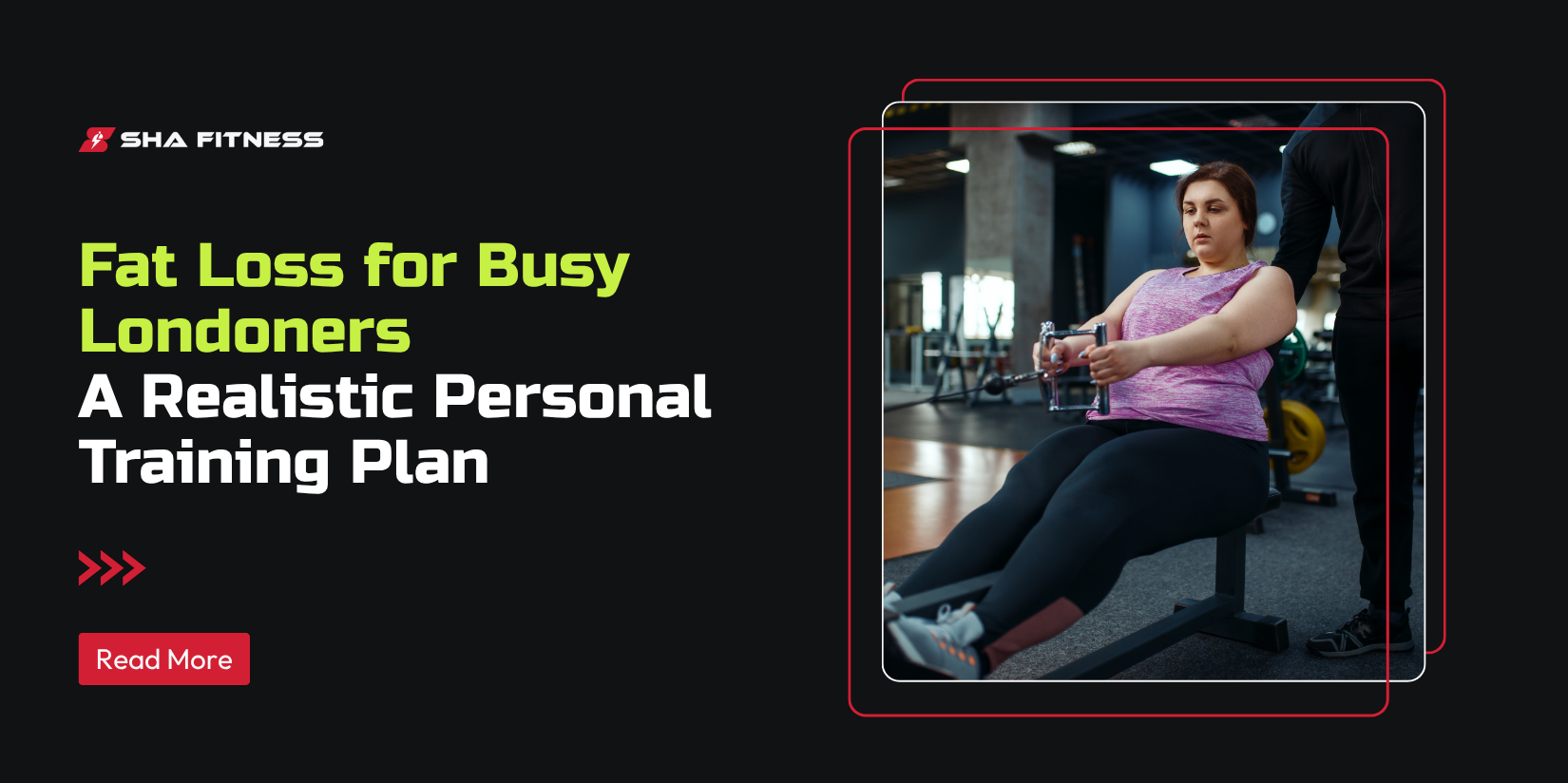
Busy workdays, crowded Tube journeys, back-to-back meetings and family commitments can make fitness feel like another task in a busy schedule. Many busy professionals in London start the week with a fitness plan and good intentions, then struggle to maintain it as the week progresses. Fat loss does not require hours in the gym, restrictive diets or a complete lifestyle change.
A realistic fat loss plan based on your routine can help you make steady progress without affecting your work or personal life. Whether you work in Canary Wharf, travel across London or manage a busy schedule in Essex, the right combination of strength training, balanced nutrition, daily movement and recovery can make fitness easier to manage and maintain.
This guide explains why fat loss is so difficult in a busy city and how a realistic personal training plan can fit around your working life.
Why Fat Loss Is Difficult for Busy Londoners
Fat loss requires a consistent calorie deficit, but it does not mean following a restrictive diet or spending hours in the gym. London offers plenty of fitness opportunities for busy professionals, but the main challenge is consistency. Work demands, travel and fatigue can easily push exercise down the priority list.
Below are the common barriers that prevent London professionals from maintaining a consistent fitness routine.
Limited Time for Exercise and Meal Preparation
When your schedule is full, spending an hour at the gym or preparing healthy meals can be difficult. Processed foods and missed workouts can gradually become part of your daily routine.
The solution is to simplify your approach:
• Schedule two or three strength training sessions each week.
• Prepare a few balanced meals or ingredients in advance.
• Keep nutritious snacks available for busy days.
• Choose exercises that work several muscle groups at once.
Consistency is more valuable than following a complicated two-hour workout programme that you cannot maintain.
Long Commutes, Work Stress and Poor Sleep
A long commute and tight deadlines can reduce the time available for exercise, while work-related stress may affect your appetite, energy and sleep quality. The NHS advises adults to aim for around 7 to 9 hours of sleep to support rest and repair. When you feel exhausted, an intense workout can feel more challenging than relaxing on the sofa.
These challenges can influence your ability to maintain healthy habits. A manageable routine that fits your working hours makes long-term progress easier.
How Long Working Hours Affect Your Fitness Routine
Sitting for extended periods can reduce your daily movement, even if you complete a workout in the evening. Stress and insufficient sleep can also make it difficult to manage food choices and exercise consistently.
Try short walks during lunch breaks, stand regularly throughout the working day and set a realistic bedtime. These small adjustments help you create a routine that supports your fitness goals without demanding additional hours from your schedule.
Why Quick Fat Loss Diets Often Fail
Restrictive diets and unrealistic workout schedules may promise quick results, but they can be difficult to maintain. Excessive restriction can leave you feeling hungry, tired and more likely to abandon your plan.
Sustainable fat loss generally involves maintaining a moderate calorie deficit while eating enough to support your health, training and recovery. Progress varies between individuals, so focus on consistent habits and avoid expecting major changes within a few days.
A Realistic Personal Training Plan for Fat Loss
A realistic plan should fit your current fitness level, busy schedule and individual goals. For many busy professionals, two or three planned workouts each week, along with regular walking and a balanced diet, provide a manageable routine. Start with a simple structure:
Efficient Strength Training Workouts for Fat Loss
Strength training protects your muscle while you lose body fat, improves strength and posture and makes everyday movement easier. This supports your metabolism and helps you look more toned, not just lose weight. The NHS physical activity guidelines recommend strengthening exercises on at least two days a week.
• Squats or leg press for the lower body
• Rows and presses for the upper body
• Deadlift variations for the hips and back
• Core work such as planks and carries
Start with a manageable number of sets and repetitions, then increase the challenge gradually as your technique and fitness improve. A qualified personal trainer can adapt exercises to your ability, goals, equipment and any relevant physical limitations.
Cardio, Daily Steps and Recovery for Busy Schedules
Cardiovascular exercise supports heart health, endurance and overall energy expenditure. Walking, cycling, swimming or brisk outdoor exercise can complement your strength sessions.
A daily target of 8,000 to 10,000 steps suits many people, but starting with fewer steps is also a good start.
Recovery is equally important, so allow time for rest, adjust your workload when tired and avoid treating every session as a maximum-effort workout.
Nutrition and Daily Habits That Support Sustainable Fat Loss
Exercise is only one part of the process, as your everyday daily eating habits, sleep patterns and activity levels all influence how consistently you can work towards your fitness goals.

The most effective approach is one you can follow during a busy working week, whether you are eating at home, in the office or travelling between meetings.
The NHS healthy weight loss guidance supports steady progress over rapid changes.
Simple Eating Habits and Hydration for Busy London Professionals
Start with simple eating habits instead of following a strict meal plan. Balanced meals can help you manage hunger and maintain energy throughout the day.
• Include a source of protein at every meal to stay fuller for longer
• Fill half your plate with vegetables
• Keep fruit, nuts and yoghurt at your desk
• Drink water regularly throughout the day.
• Build meals around vegetables, fruit and wholegrain carbohydrates
The Eatwell Guide from the NHS provides a useful starting point for understanding a balanced diet. Individual requirements vary, so consult a registered dietitian for specialist dietary advice.
How Sleep, Stress and Daily Movement Affect Fat Loss
Fat loss is easier when your lifestyle supports recovery. Poor sleep can increase fatigue, make training feel harder and influence food choices. High stress can also lead to irregular eating patterns or skipped workouts. A ten-minute walk, breathing exercises or a short stretch can lower tension and reduce emotional eating.
Regular exercise can also support better sleep, helping you fall asleep more quickly and wake less often during the night.
Key mistakes to avoid during fat loss
Avoid common fat loss mistakes that can affect your energy, exercise routine and overall progress.
1. Skipping meals: Can increase hunger and make balanced eating harder.
2. Overtraining: Too much exercise without recovery can affect consistency.
3. Following crash diets: Extreme restrictions are difficult to maintain.
4. Ignoring daily movement: Long periods of sitting can limit overall activity.
5. Expecting instant results: Sustainable progress takes time and varies between individuals.
6. Neglecting sleep: Poor sleep can affect energy, appetite and recovery.
7. Using an unsuitable plan: Choose training that matches your fitness level and schedule.
How a Personal Trainer in London Keeps You Consistent
A demanding schedule often requires more than motivation. Structure, accountability and professional guidance can help you turn good intentions into repeatable habits. Working with a qualified personal trainer gives you a clear programme, guidance on exercise technique and regular progress reviews.
Sharath at Sha Fitness is a CIMSPA-registered, fully insured Level 3 Certified Personal Trainer in London, offering in-person studio sessions and online fitness training across the UK. Busy London professionals can choose the training option based on their location and schedule.
Having the right support helps you stay focused and make consistent progress.
A personal trainer can help you:
• Build a realistic weekly routine around your schedule, training experience and past injuries
• Learn correct exercise technique
• Adjust training when your schedule changes
• Stay accountable without relying on motivation alone
• Focus on sustainable fat loss rather than extreme short-term results
Train with Sharath to build a realistic routine, improve your technique, stay accountable and achieve sustainable fat loss.
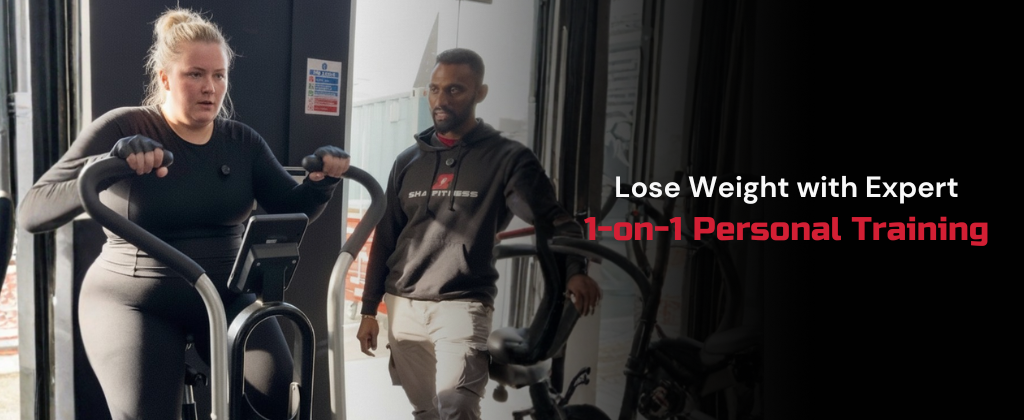
Reach Your Fat Loss Goals With a Realistic Fitness Plan
Effective Fat loss comes from strength training, regular movement, balanced nutrition, good sleep, proper recovery and consistent support. Small, consistent actions are more effective than extreme plans that are difficult to maintain in daily life.
Choose Sha Fitness, a personal training studio in Chigwell and train with Sharath for one-to-one fat-loss training that works around your life. With expert guidance and a realistic Fitness Plan, you can build a healthier routine that lasts beyond the next busy week.
If you want a clear plan, book your consultation with Sha Fitness today and start a fat-loss training designed around your London lifestyle.
Get Personalised Fat Loss Support