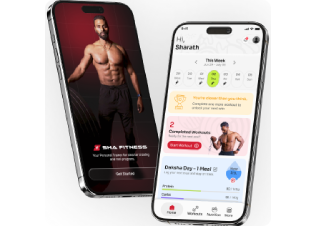




Daily workout plans should give your training direction, rather than leave you choosing exercises at random each time you enter the gym. One on one personal training creates structure by matching exercise selection, training frequency and progression to your ability, goals and weekly commitments. Instead of copying workouts from social media, you follow a routine with a clear purpose.
Schedule should reflect your experience, available time and goals, while allowing for rest and changes to work or family commitments. It should also make clear which sessions are demanding and which are lighter, so you are not placing several intense workouts together. This simple structure makes it easier to stay consistent during busy weeks.
The Problem With Unstructured Daily Workout Plans
Random workouts can feel productive because they involve physical effort, but completing exercises without a clear plan does not necessarily move you towards your fitness goals. Effective training connects individual sessions through suitable exercise selection, intensity and recovery.
Many people begin with good intentions but struggle to maintain their routine when every session is planned separately. Without weekly structure, it becomes difficult to know which muscle groups need attention, whether enough recovery time is available or how to measure improvements. Over time, this uncertainty can affect motivation and consistency.
Why gym-goers fall into the random workout routine trap
Social media videos, fitness challenges and advice from friends can introduce useful exercise ideas, but they rarely consider your training history, movement ability or recovery needs. Busy schedules create another challenge. When time is limited, people may skip important exercises or repeat familiar movements without understanding their purpose.
How inconsistent training affects strength and fitness progress
Progress relies on suitable repetition and manageable adjustments. Constantly changing exercises makes performance difficult to compare; a consistent routine gives you a clear starting point. You can then review whether a movement feels more controlled, whether you can complete more repetitions or whether your stamina has improved over time.

Common Daily Workout Plan Mistakes That Limit Results
Even people who exercise regularly can experience slow progress when their training lacks structure. Some mistakes relate to exercise selection, while others involve intensity, recovery and progress tracking. Recognising these issues makes it easier to improve your routine without constantly starting again.
Missing progressive overload in strength training routines: Progressive overload means gradually increasing the challenge as your ability improves. This could involve adding resistance, completing another repetition or improving movement control. It does not mean lifting heavier during every session. A structured strength training can match these adjustments to your current ability and fitness goals.
Recording your training makes progress easier to review. Keep track of:
• Exercises, resistance and sets completed.
• Repetitions performed with controlled technique.
• hanges in strength, movement quality and confidence.
Overtraining, muscle recovery and workout fatigue: More sessions do not automatically produce better results. Hard training, poor sleep and stress without enough recovery can leave you tired. Rest days and sensible training volume support recovery. Notice declining performance, persistent fatigue or discomfort that does not settle. Stop activity and seek professional advice for sharp or ongoing pain.
Changing exercises too frequently based on fitness trends: Variety keeps training interesting, but changing the programme every few days makes progress difficult to assess. Keep suitable movements long enough to develop technique, changing them when your needs or circumstances require it.
Benefits of One-on-One Personal Training for a Structured Workout Routine
Individual coaching replaces guesswork with a plan based on your goals, exercise experience and weekly availability. Rather than following a generic programme, you receive guidance that considers how much training you can realistically manage and which activities suit your current ability.
Three important benefits make this approach useful:
1.Individual exercise selection: Training movements and intensity are chosen around your fitness level, goals and movement ability.
2.Structured weekly planning: Strength sessions, cardio and recovery are organised around your available time.
3.Consistent progress reviews: Regular feedback helps identify improvements and adjust the programme when your needs change.
This approach can be useful if you have tried several routines but struggle to maintain one. A trainer can review exercise choices, identify gaps and adjust sessions as your confidence and performance develop.
Creating a personalised daily exercise schedule
Personalised schedule may include strength sessions, cardio, mobility and active recovery rather than demanding exercise every day. Each session should have a purpose and fit your week. One-on-one personal training provides individual guidance to review technique, select suitable exercises and adjust your routine.
Choosing workout splits around work and lifestyle commitments
Workout splits divide training across the week. Upper/lower plans separate upper- and lower-body sessions, while push-pull-legs groups exercises around movement patterns. The right structure depends on available time, experience and recovery needs. Online personal training makes coaching and programme reviews accessible when travelling to a training location is difficult.
Building consistency through individual coaching and accountability
Accountability involves reviewing completed sessions and discussing what makes training difficult. If work, travel or illness interrupts your routine, the schedule can be adjusted instead of trying to compensate with excessive exercise later.
SHA Fitness focuses on making coaching relevant to individual circumstances. Regular feedback can identify when your routine needs more recovery, different exercises or changes in training frequency.
Personalised Workout Plans for Strength, Cardio and Recovery
Balanced training includes strength, aerobic activity, mobility and recovery. These elements support different aspects of fitness, so the right combination depends on your priorities and current activity level. Someone working towards greater strength may need a different balance from someone whose main aim is improving cardiovascular fitness or returning to regular exercise.
Well-planned sessions distribute effort and give your body time to adapt. Your routine should also be flexible enough to change as your fitness improves.
Balancing upper/lower body and push-pull-legs training splits
An upper/lower split separates upper- and lower-body sessions; push-pull-legs groups pushing, pulling and lower-body movements. Beginners can start with full-body sessions, while experienced gym-goers may prefer separate days. Allow recovery before repeating demanding sessions.
Selecting compound and isolation exercises for specific fitness goals
Compound exercises such as squats, rows and presses use several joints and muscle groups. Isolation exercises, such as biceps curls or leg extensions, target muscles more directly. Both have a place in a suitable plan.
Choose exercises that match your goals, can be controlled safely and suit your equipment and ability. Consistent, suitable movements are more useful than an unnecessarily complicated routine
Including warm-ups, mobility work and recovery sessions
Warm-ups use light activity and dynamic movements to prepare you. Mobility work supports movement, while recovery may include gentle walking.
UK adults are advised to complete at least 150 minutes of moderate-intensity activity or 75 minutes of vigorous activity weekly, alongside muscle-strengthening activity on two days. See the official UK Chief Medical Officers' physical activity guidelines. Build up gradually if you have been inactive.
Related blog: How a Personal Trainer Fixes Your Gym Technique

Professional Coaching and Personal Training Experience
A well-planned workout routine needs professional knowledge, practical experience and an understanding of individual fitness requirements. At SHA Fitness, founder and lead trainer Sharath brings over a decade of industry experience, combining competitive bodybuilding achievements with professional fitness coaching.
His professional achievements and qualifications include:
• Mr. India 2014: National-level bodybuilding recognition.
• Level 3 Diploma: Fitness Instructing and Personal Training.
• Level 4 Qualification: Strength and Conditioning.
• Specialist Experience: Rehabilitation, pre- and postnatal fitness, and nutrition.
This background supports an individual approach to exercise selection, technique and training progression. Clients can learn more about the Certified Personal Trainer behind the coaching approach
Practical Steps to Improve Your Daily Workout Plan
Improving your routine does not always require completely changing your exercises or following a more demanding schedule. Start by understanding what you currently do, where progress has slowed and which parts of your plan are difficult to maintain. Small, informed adjustments can make training easier to manage.
Step 1: Review workout logs, weights and repetitions
Record exercises, sets, repetitions and resistance. Review your records to identify progress, repeated workloads or missed sessions. Brief notes about energy levels and recovery can also make your training history more useful.
Step 2: Set measurable strength and fitness goals
Choose goals that can be reviewed, such as completing planned sessions, improving movement control or increasing repetitions with good technique. One clear priority makes exercise selection and progress tracking easier. Avoid comparing your progress with someone else's training experience.
Step 3: Build a sustainable weekly workout schedule
Plan realistic strength, cardio and recovery sessions. Keep shorter alternatives for busy periods. Review your schedule and change one thing at a time. If you repeatedly miss sessions, reconsider their length or timing. A realistic plan is easier to follow than one built around an ideal week that rarely matches your actual commitments. Keep a simple record and review it every few weeks to see whether the routine remains suitable.

Build a More Effective Workout Routine With SHA Fitness
Consistent fitness progress starts with a routine that balances strength development, cardiovascular activity and recovery. Giving every session a clear purpose makes it easier to track improvements, manage training intensity and maintain consistency as your fitness develops.
At SHA Fitness, Sharath focuses on building structured workout programmes around individual fitness levels, exercise preferences and personal goals. His coaching approach combines exercise guidance, technique improvement and regular progress reviews to keep training focused and manageable.
Build a consistent workout schedule around your fitness goals with SHA Fitness. Set clear training targets and follow professional guidance through One-on-One Personal Training to develop a structured routine and maintain long-term progress.