

You step on the scales, the number drops and you feel like you are winning.
Most people who try to lose weight make the same mistake. They focus so heavily on dropping numbers on the scale that they accidentally lose muscle, strength, energy and confidence at the same time.
It is one of the biggest reasons people feel frustrated after dieting. The weight may go down temporarily, but the body often looks softer, weaker and harder to maintain long-term.
The truth is, losing weight and losing fat are not the same thing. Without a proper plan, your body can lose muscle as well as fat. This is something many generic diet plans often fail to address.
If you are trying to lose weight without losing muscle, this guide explains exactly what works and how to approach weight loss properly.
Fat Loss vs Weight Loss: What You Need to Know
This distinction is extremely important when approaching any fitness or weight loss journey.
Weight loss simply refers to a reduction in overall body weight. This can include a loss of fat, muscle, or water weight.
Fat loss means you are specifically reducing body fat while preserving or even building lean muscle. This produces the toned, defined and energised result that most people actually want.
The goal is not simply to lose weight quickly or carelessly. The real focus should be on reducing body fat in a structured, sustainable and intelligent way.
Why Muscle Loss Happens During Weight Loss
Before we fix the problem, we need to understand it.
When you eat fewer calories than your body burns, it turns to stored energy for fuel. Ideally, that stored energy comes from body fat. But when your calorie deficit is too aggressive, your protein intake is too low, or you are not doing the right type of training. your body starts breaking down muscle tissue for fuel instead.
This is called muscle catabolism and it is the enemy of any smart fat loss plan.
The good news is that with the right combination of nutrition, training and recovery, you can protect your muscle while losing fat consistently. Here is how to approach it effectively.
Step 1: Set a Moderate Calorie Deficit (Not an Extreme One)
The most effective way to lose fat without sacrificing muscle is to eat in a moderate calorie deficit of around 300 to 500 calories per day. This range gives your body enough energy to preserve muscle tissue whilst still burning fat for fuel.
Crash diets that slash 1,000 calories or more per day force your body into survival mode. It begins breaking down muscle protein for energy, which is the opposite of what you want.
A simple starting point is to calculate your Total Daily Energy Expenditure (TDEE) and subtract 300 to 500 calories from that number. Consistency over time matters far more than speed.
Step 2: Prioritise Protein at Every Meal
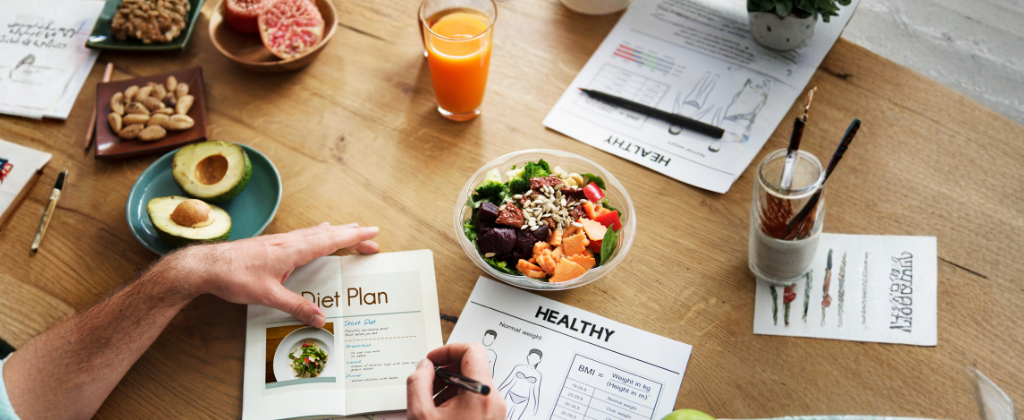
Protein is the single most important macronutrient for preserving muscle during a fat loss phase.
Aim for 1.6 to 2.2 grams of protein per kilogram of body weight each day. For a person weighing 75kg, that is roughly 120 to 165 grams of protein daily.
Good protein sources include:
• Chicken breast and turkey
• Eggs and egg whites
• Greek yoghurt and cottage cheese
• Salmon, tuna and white fish
• Lean beef and plant-based proteins such as lentils and tofu
Spreading your intake across three to four meals helps maintain muscle protein synthesis throughout the day, which is particularly important when you are in a calorie deficit.
Related: What happens when you don't get Enough Protein?
Step 3: Strength Train at Least Three Times Per Week
Cardio alone will not save your muscle. Resistance training sends a direct signal to your body to retain and build lean tissue, even when calories are lower.
Focus on compound movements that recruit multiple muscle groups simultaneously. These include:
1. Squats and deadlifts
2. Bench press and overhead press
3. Pull-ups and rows
4. Lunges and hip hinges
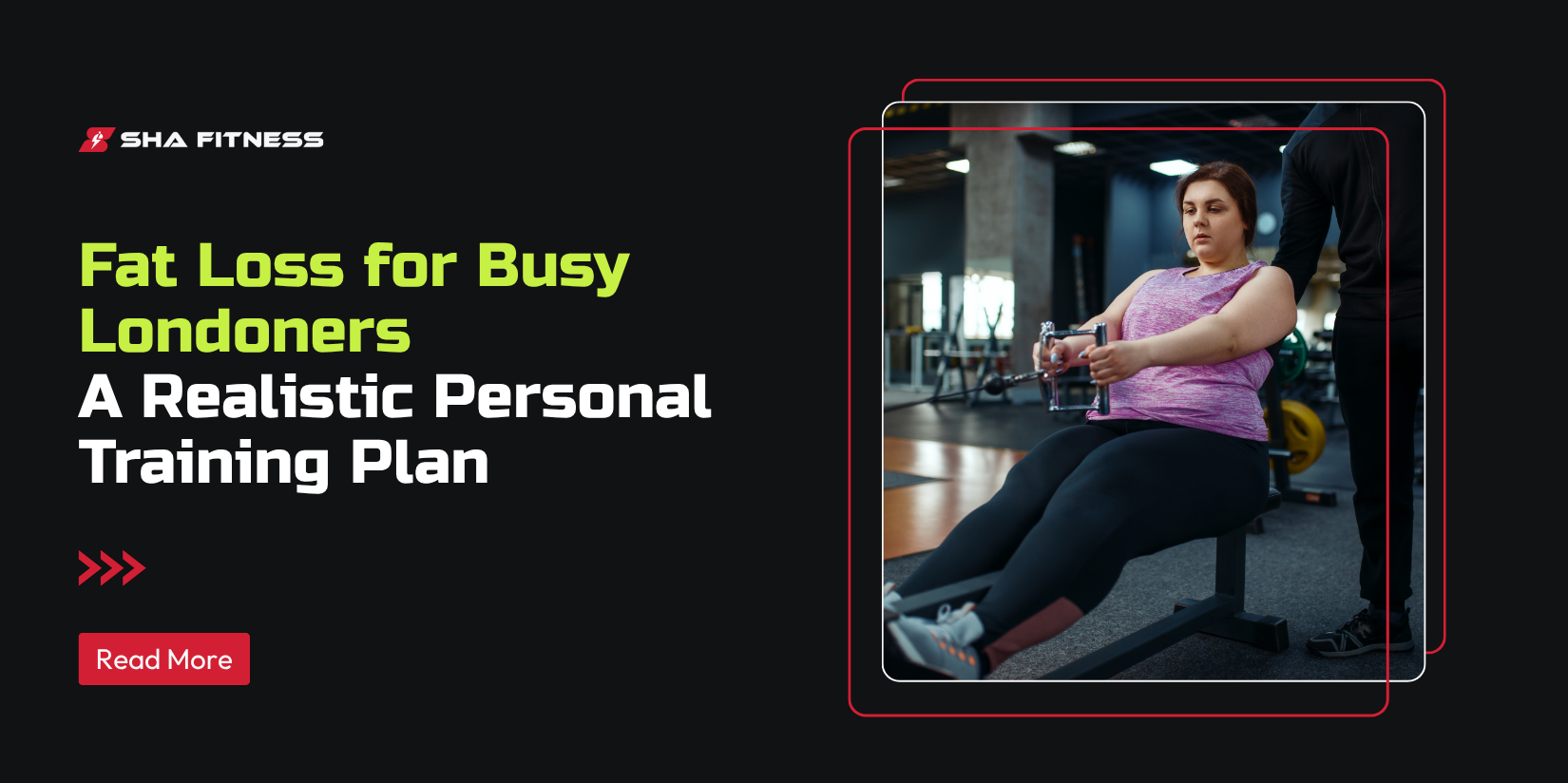
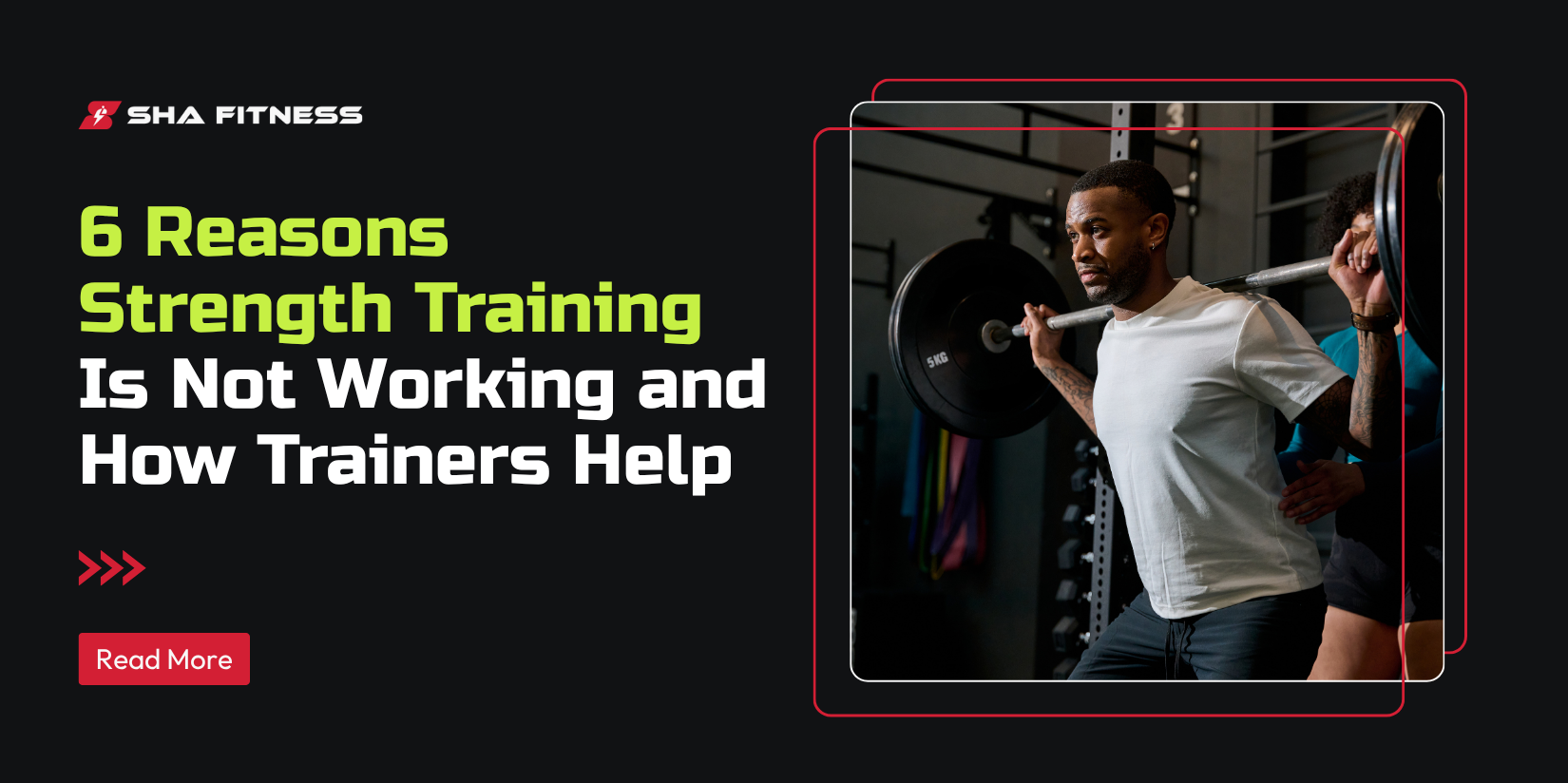
Training with progressive overload, gradually increasing the weight or reps over time, is what drives results. At Sha Fitness, a Personal training studio in Chigwell, every programme is built around this principle so that clients lose fat without losing the shape and strength they have worked hard to build.
Three to four sessions per week is sufficient for most people, provided the sessions are structured and progressive.
Step 4: Use Cardio Strategically, Not Excessively
Cardiovascular exercise supports fat loss, improves heart health and boosts energy levels. However, too much cardio, particularly long, steady-state sessions done daily, can increase muscle breakdown, especially when combined with a calorie deficit.
The smarter approach is to use two to three moderate cardio sessions per week, such as 30 to 40 minutes of walking, cycling, or swimming. You can also incorporate High-Intensity Interval Training (HIIT) one to two times per week for efficient fat burning without the excessive muscle-wasting effects of prolonged cardio.
Walking more throughout the day and increasing your daily step count to 8,000 to 10,000 steps is one of the most underrated fat loss tools available.
Step 5: Prioritise Sleep and Recovery
Fat loss does not happen in the gym. It happens when you sleep.
During deep sleep, your body releases growth hormone, which plays a critical role in muscle repair and fat metabolism. Poor sleep increases cortisol (the stress hormone), which promotes fat storage, particularly around the abdomen and accelerates muscle breakdown.
Aim for seven to nine hours of quality sleep per night. Limit screen time before bed, keep your room cool and dark and establish a consistent sleep schedule. Recovery is not a luxury. It is a strategy.
Step 6: Track Progress Beyond the Scales
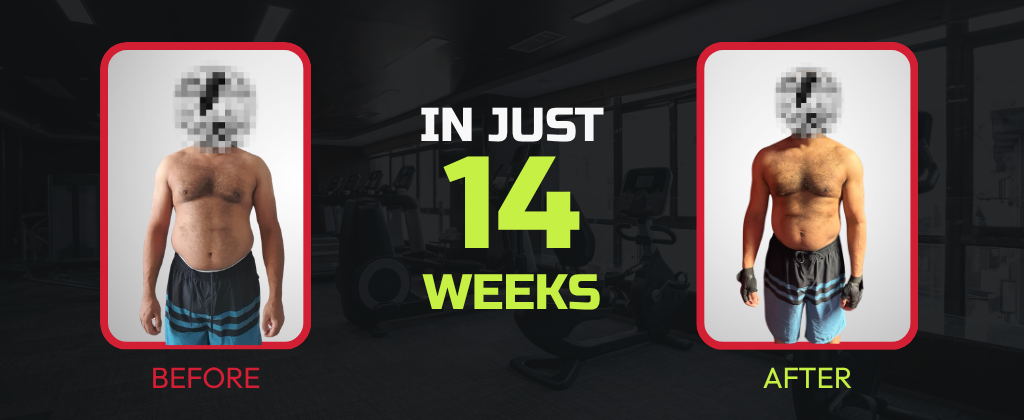
The number on the scales is one of the least reliable measures of progress during a muscle-preserving fat loss phase.
As your body loses fat and builds or maintains muscle, your weight may stay relatively stable for periods of time, even whilst your body composition is improving significantly.
Track progress using a combination of:
• Body measurements (waist, hips, arms, chest)
• Progress photographs taken every two to four weeks
• How your clothes fit
• Performance improvements in the gym
• Energy levels and general wellbeing
These factors provide a more accurate and encouraging picture of your overall progress than body weight alone.
The Role of a Personal Trainer in Your Fitness Journey
Understanding what to do is one thing. Consistently executing it, staying accountable and adjusting the plan when life gets in the way is another challenge entirely.
A skilled Weight Loss coach does more than write a workout plan. They assess your individual starting point, identify the habits and barriers that have held you back, build a programme that fits your lifestyle and keep you accountable through every stage of your journey.
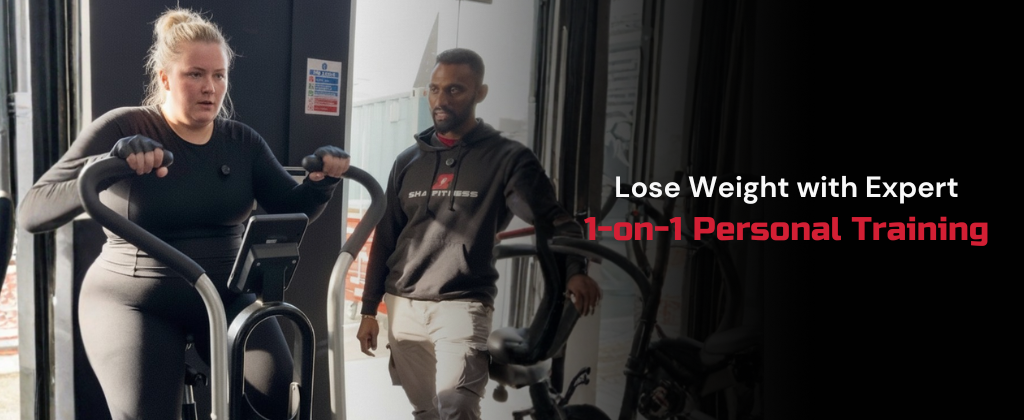
At Sha Fitness, Sharath, a certified weight loss coach in Chigwell works one-to-one with clients across the UK, who are serious about transforming their body composition for the long term. The approach is always personal, always evidence-based and always focused on sustainable results rather than quick fixes.
Lose weight Without Losing Muscle!
Fat loss without muscle loss is absolutely achievable. But it requires the right structure, the right guidance and the right mindset.
It requires a moderate calorie deficit, high protein intake, progressive strength training, smart cardio and adequate recovery. None of these steps is complicated, but all of them require consistency and a clear plan.
If you are serious about transforming your body composition and want expert guidance from an experienced coach, Sha Fitness is here to help. Sharath is a certified weight loss coach who offers personalised one-to-one personal training and fat loss coaching at a private personal training studio in Chigwell, Essex.
Whether you are just starting out or have been training for years without seeing the results you deserve, book your initial consultation and receive professional guidance for fat loss, strength building and long-term fitness results.
Contact Sha Fitness to book your consultation.